

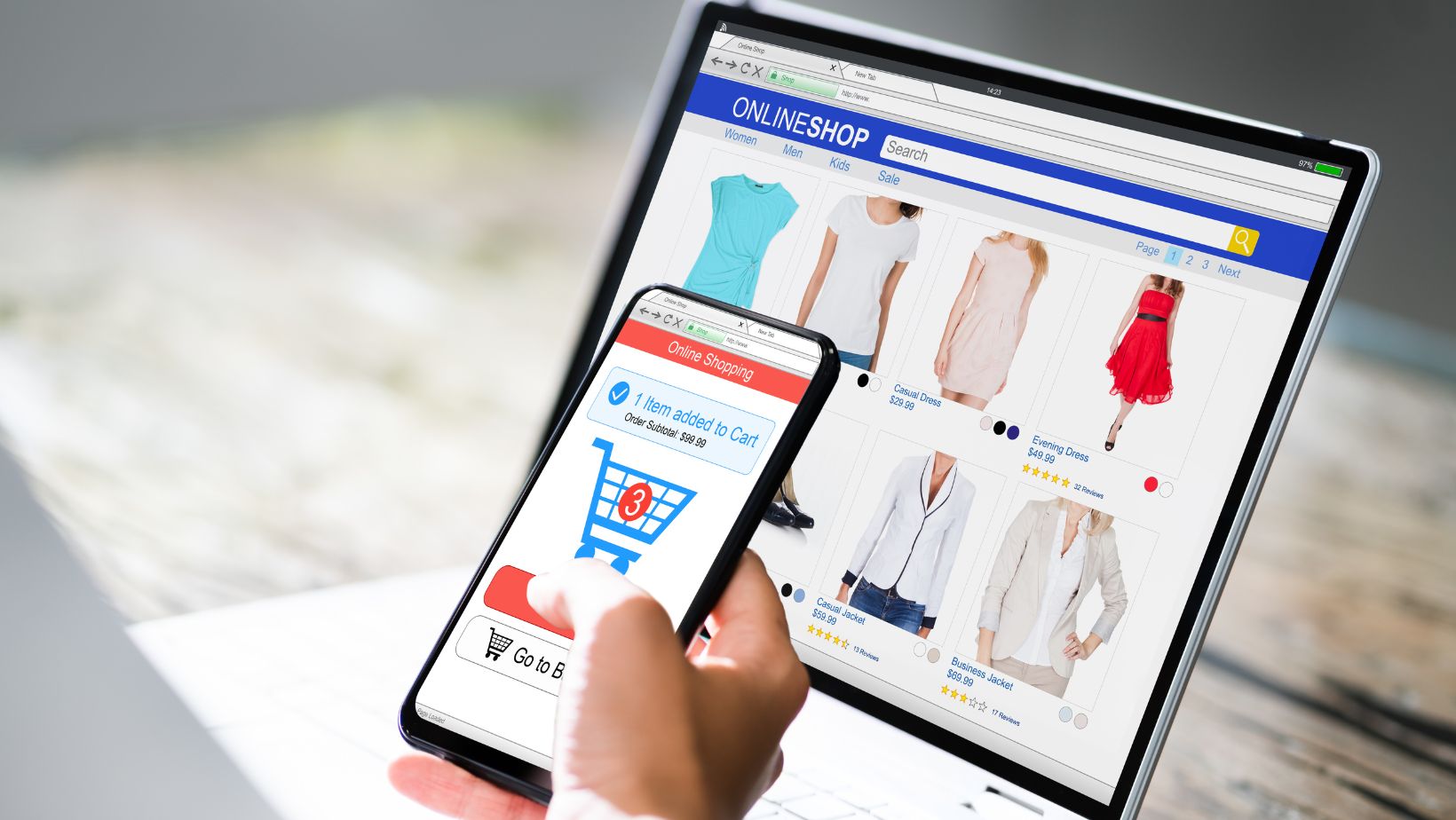

Measuring the success of your online store goes far beyond simple sales figures. In the competitive landscape of 2025 e-commerce, Engagement Rate is a foundational metric that reveals how actively and deeply your target audience interacts with your brand across various digital touchpoints. A high Engagement Rate signifies strong audience connection, compelling content, and a higher probability of conversion and Customer Lifetime Value (CLV). Understanding the various ways to calculate and interpret ER is essential for optimizing your marketing strategy and driving sustainable growth.
The Engagement Rate is a key performance indicator (KPI) that measures the proportion of your audience that actively interacts with your content. It provides a more nuanced view of content performance than just reach or impressions, offering a direct signal of content relevance and brand appeal.
The Core Engagement Rate Formula for E-commerce Success
While the precise calculation of Engagement Rate can vary slightly depending on the platform (social media, website, email), the core principle remains consistent: dividing the total number of interactions by a measure of audience size or reach.
Calculating Social Media Engagement Rate (The Most Common Method)
Social media platforms are often the primary source for calculating ER. The two most valuable methods are based on Reach and Followers.
1. Engagement Rate by Reach (ERR): The Most Accurate Measure of Content Performance
This is widely considered the gold standard as it measures the percentage of people who saw your content and then engaged with it. Reach is the number of unique users who saw your post.
$$\text{Engagement Rate by Reach (ERR)} = \left(\frac{\text{Total Engagements}}{\text{Total Reach}}\right) \times 100$$
- Total Engagements: The sum of all measurable interactions on a specific post (e.g., likes, comments, shares, saves, video views, clicks, reactions).
- Total Reach: The number of unique users who saw the post.
2. Engagement Rate by Post (ERP): Best for Benchmarking Community Loyalty
This method is useful for comparing your brand’s performance against competitors (if follower count is public) and assessing the general loyalty of your established follower base.
$$\text{Engagement Rate by Post (ERP)} = \left(\frac{\text{Total Engagements on Post}}{\text{Total Followers}}\right) \times 100$$
Pro-Tip for E-commerce: For both formulas, ensure your ‘Total Engagements’ includes actions that indicate higher intent, such as Saves, Shares, and Link Clicks (to your product page), as these are stronger signals than a simple ‘Like’.
Measuring E-commerce Website Engagement Metrics
Engagement Rate on your e-commerce website differs from social media as the goal is typically purchase-related actions rather than social interaction. These metrics are vital for optimizing the User Experience (UX) and Conversion Funnel.
Key Website Engagement Metrics (Beyond Conversion Rate)
While Conversion Rate (transactions/sessions) is the ultimate metric, these engagement indicators show the health of your site traffic:
| Metric | Calculation / Definition | Why it Matters for E-commerce |
| Bounce Rate | Percentage of visitors who leave the site after viewing only one page. | High bounce rate indicates poor landing page quality or content mismatch. Lower is better. |
| Pages Per Session | The average number of pages a user views during one visit. | A higher number suggests users are actively browsing your catalog and engaging with your products. Higher is better. |
| Average Time on Site | The average duration a user spends on your website. | Longer time indicates deeper consumption of product information, blogs, or resources. Higher is better. |
| Add-to-Cart Rate | The percentage of visitors who add an item to their cart. | A crucial mid-funnel metric showing product interest and intent. Optimizing this directly impacts sales. |
E-commerce Funnel Engagement Rate (A Practical Calculation)
A practical way to think of ‘Engagement Rate’ on your site is the progression through the shopping funnel.
$$\text{Add-to-Cart Engagement Rate} = \left(\frac{\text{Number of Add-to-Carts}}{\text{Total Product Page Views}}\right) \times 100$$
This specific rate is a powerful indicator of the Product Page Effectiveness and the attractiveness of your product offering.
The Role of E-commerce Email Engagement in 2025
Email remains one of the highest-ROI channels for e-commerce. Calculating the engagement rate here is straightforward but highly critical for your Customer Retention efforts.
Essential Email Engagement Rate Formulas
1. Open Rate: Measures the effectiveness of your subject lines.
$$\text{Open Rate} = \left(\frac{\text{Number of Unique Opens}}{\text{Number of Emails Delivered}}\right) \times 100$$
2. Click-Through Rate (CTR): Measures how many users clicked a link inside your email (e.g., a product link). This is the key measure of Email Content Relevance.
$$\text{Click-Through Rate (CTR)} = \left(\frac{\text{Number of Unique Clicks}}{\text{Number of Emails Delivered}}\right) \times 100$$
3. Conversion Rate (Email to Purchase): The ultimate email metric.
$$\text{Conversion Rate} = \left(\frac{\text{Number of Purchases from Email}}{\text{Number of Emails Delivered}}\right) \times 100$$
Key Takeaway: A high CTR paired with a strong Conversion Rate shows that your Personalized Email Marketing is successfully driving traffic and sales.
Benchmarking and Interpreting Your E-commerce Engagement Rate
Knowing the number is only the first step. The true value lies in how you interpret and act on the data.
What is a “Good” Engagement Rate in E-commerce?
Engagement rates vary significantly by platform, industry, and audience size. General benchmarks for 2025 suggest:
- Social Media (by Reach): Anything consistently above 2-5% is considered strong. Micro-influencers and smaller, highly niche e-commerce brands often see rates above 10%.
- Website: A low Bounce Rate (ideally below 40-50%) and Pages Per Session above 2 are generally positive signs of engagement.
- Email Marketing: An average Open Rate around 15-25% and a Click-Through Rate (CTR) between 2-5% for e-commerce are typical, but high-performing segments can exceed these significantly.
Factors Influencing E-commerce Engagement Rate
Your ER is not just a reflection of luck; it’s a direct result of strategic effort. Key factors include:
- Content Quality and Relevance: Is your content addressing the user’s needs or pain points? High-Quality Product Photography and descriptive, benefit-driven copy are non-negotiable.
- Audience Segmentation: Targeting content to the right group of users (e.g., separating new visitors from repeat buyers) dramatically improves relevance.
- Posting Frequency and Timing: Consistently posting when your Target Audience is most active ensures maximum visibility and interaction.
- Call-to-Action (CTA) Clarity: Engagement relies on clear direction. Every piece of content should have an explicit instruction (e.g., “Shop Now,” “Learn More,” “Tell Us Your Opinion”).
Strategies to Boost E-commerce Engagement Rate in 2025
To stay competitive, e-commerce brands must focus on proactive strategies that foster a deeper connection with their audience.
Leveraging Interactive and Community-Driven Content
The shift from passive consumption to active participation is key. Focus on content formats that demand a response:
- User-Generated Content (UGC): Encourage customers to share photos/videos of your products. This is a highly trusted form of engagement and social proof.
- Interactive Polls and Quizzes: Use social media stories or website pop-ups to ask for feedback, helping you understand Customer Preferences.

- Live Shopping Events: Hosting live streams with Q&A sessions dramatically increases real-time interaction and emotional connection.
- Personalized Product Recommendations: Using AI to suggest products based on past behavior is a form of engagement that guides the user towards a purchase, improving the Add-to-Cart Rate.
Technical and Analytical Optimization
Data-driven decisions are the cornerstone of high engagement.
- A/B Testing: Regularly test different headlines, visuals, and CTAs across all channels (ads, emails, and website) to see which drives the highest Click-Through Rate and engagement.
- Load Speed Optimization: A slow-loading website is the fastest way to kill engagement. Website Performance is a critical, often-overlooked engagement factor, directly impacting Bounce Rate.
- Analyze Engagement by Channel: Track ER for organic social, paid social, email, and blog content separately. Reinvest resources into the channels that yield the highest quality and most valuable interactions (e.g., comments that lead to sales).
By systematically calculating, benchmarking, and optimizing your Engagement Rate across all digital platforms, your e-commerce business can build a more loyal community, improve its marketing ROI, and ensure robust, sustainable growth in 2025 and beyond. A focus on Meaningful Interactions—actions that signal genuine interest and intent—is the ultimate driver of a healthy Engagement Rate.


