
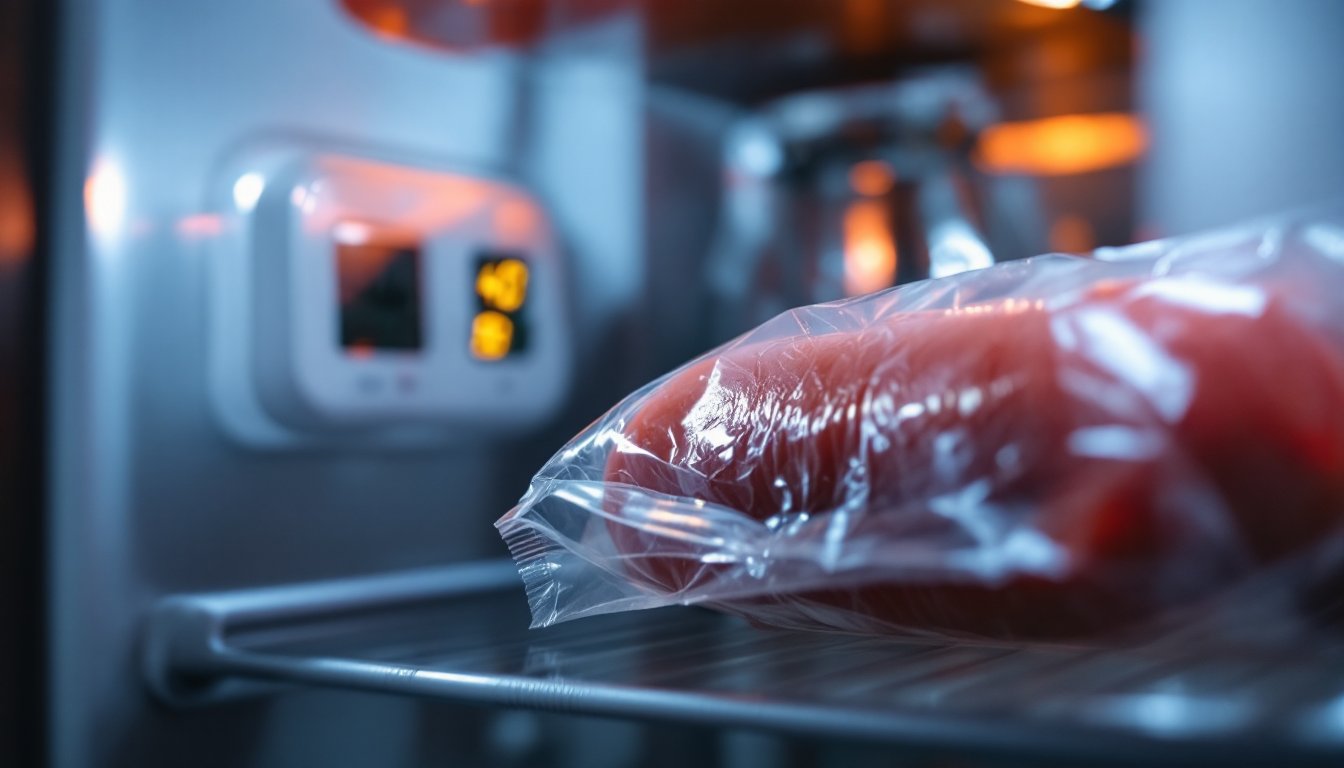

Nobody wants to open the fridge and wonder if those hot dogs are still safe to eat. Whether someone’s stocking up for a summer cookout or just grabbed a pack for the week, knowing how long hot dogs last in the refrigerator is essential kitchen knowledge. Food poisoning isn’t fun, and bacteria like Listeria monocytogenes can grow on improperly stored meat without any obvious signs. This guide covers the real timelines for refrigerated hot dogs, what factors affect their shelf life, and how to spot spoilage before it becomes a health risk. Understanding proper storage extends the life of hot dogs and keeps dinner plans on track.
Key Takeaways
- Hot dogs last 1 to 2 weeks unopened in the refrigerator, but only 3 to 5 days once the package is opened—store them at or below 40°F for food safety.
- Temperature consistency and proper packaging directly affect how long hot dogs last in the refrigerator; use airtight containers for opened packages and store them on interior shelves, not the door.
- Fresh hot dogs should be pink or reddish-brown; discard any that show graying, slime, swelling, or off odors, as these signs indicate bacterial growth and spoilage.
- Cook hot dogs to an internal temperature of 165°F to kill pathogens, and freeze them immediately if they won’t be eaten within 5 days for long-term storage.
- Refrigeration slows bacterial growth but doesn’t stop it, so date tracking and visual inspections are essential to prevent foodborne illness and food waste.
How Long Hot Dogs Last When Refrigerated
According to the USDA, unopened hot dogs stay fresh in the refrigerator for 1 to 2 weeks, provided they’re stored at or below 40°F (4°C). Once the package is opened, that window shrinks dramatically: opened hot dogs are safe for only 3 to 5 days in the refrigerator. The difference is straightforward, vacuum sealing and protective packaging keep air and bacteria out. Break that seal, and exposure increases immediately.
The clock starts as soon as the package arrives home, not from the manufacturing date. If someone buys hot dogs and leaves them in a warm car for an hour before refrigerating, the timer has already run down. Cooked hot dogs (think grilled leftovers from dinner) also follow the 3 to 5-day rule once cooled and stored. Many people mistakenly think refrigeration stops all bacterial growth: it just slows it way down. Cold temperatures don’t kill bacteria, they just put it on pause. This is why how long can hot dogs stay in the refrigerator matters more than most realize.
Factors That Affect Hot Dog Shelf Life
Not all refrigerators or hot dog packages are created equal. Several variables control whether someone gets the full 1 to 2 weeks or finds their hot dogs questionable by day 10.
Packaging Type and Quality
Vacuum-sealed hot dogs in original packaging last longest because the seal excludes oxygen and limits bacterial colonization. Once opened, switching to an airtight container, not just wrapping in plastic wrap, extends freshness another day or two. Loose hot dogs in a deli case or bulk packages lack protective sealing and should be treated as opened from day one. Temperature-sensitive packaging with indicator dots tells someone if the cold chain broke during shipping or storage. If the indicator shows temperature abuse, food safety is already compromised, regardless of the date.
Meat quality matters too. Premium, minimally processed hot dogs with fewer preservatives may spoil faster than conventional brands loaded with sodium nitrites and other antimicrobials. Conversely, all-beef or specialty varieties often contain less salt, which is healthier but gives less protection. Check the ingredient list: shorter shelf lives correlate with fewer chemical preservatives.
Temperature Consistency
A freezer that dips to 32°F (0°C) at night and creeps to 45°F (7°C) when the door opens frequently won’t protect hot dogs as well as a steady, ice-cold unit. Fluctuation accelerates bacterial growth. Someone whose refrigerator sits next to an oven or gets opened constantly should assume the shorter end of the 3 to 5-day window for opened packages. Location matters, a fridge in a hot kitchen loses ground differently than one in a cool basement. Digital thermometers cost under $10 and are worth keeping on a shelf to confirm actual temperatures, not assumed ones.
Signs Your Hot Dogs Have Gone Bad
Visual and smell tests catch obvious spoilage, but some danger signs are subtle. A sour or off odor is the first red flag: if it smells wrong, don’t taste it, throw it out. The USDA and CDC emphasize this rule because Listeria and other pathogens can thrive without producing obvious smell.
Color changes are another signal. Fresh hot dogs are pink or reddish-brown, depending on the type. Graying, browning at the edges, or a dull appearance suggests oxidation and microbial activity. Slime or stickiness on the surface means bacteria have multiplied to unsafe levels. Swelling in the package indicates gas production from fermentation, a sure sign of spoilage.
Mold is rare on refrigerated hot dogs due to low oxygen in sealed packaging, but if it appears, the entire package goes. How long are hot dogs good in the refrigerator eventually comes down to these visible and olfactory checks combined with date tracking. Someone who’s stored hot dogs past day 5 or 10 should inspect carefully before cooking. When in doubt, discarding a $3 package beats risking foodborne illness.
Best Practices for Storing Hot Dogs
A few simple habits keep hot dogs fresh for their full shelf life.
Keep the temperature steady. Place hot dogs on an interior shelf, not the door, where temperature swings with each opening. The back of the fridge is coldest and most stable. Avoid the deli drawer if it’s designed for vegetables or isn’t as cold as the main compartment.
Store unopened packages as-is in their vacuum-sealed packaging. Once opened, transfer leftovers to a freezer-safe, airtight container or wrap tightly in foil and plastic wrap to minimize air exposure. Labeling with the opening date prevents guesswork later.
Freeze for long-term storage. If hot dogs won’t be eaten within 5 days, move them to the freezer immediately. Frozen hot dogs stay safe indefinitely (though quality declines after 1 to 2 months). Thaw them in the refrigerator 24 hours before cooking, never at room temperature, to avoid bacterial growth during the thaw.
Cook before eating. Cooking to an internal temperature of 165°F (74°C) kills pathogens that may have grown during storage. A meat thermometer inserted into the thickest part confirms doneness without guesswork. Boiling, grilling, or pan-frying all work: just avoid eating them raw, even if they smell fine.
Separate raw and ready-to-eat. If someone buys both hot dogs and ingredients for a salad in one shopping trip, store hot dogs below produce to prevent cross-contamination. Same rule applies if sharing fridge space with cooked meats.
These practices don’t require special equipment, just attention to temperature, airtight storage, and the calendar.
Conclusion
Hot dogs last 1 to 2 weeks unopened or 3 to 5 days once opened when stored at 40°F or below. Packaging quality, temperature consistency, and proper storage methods determine whether someone gets the full window or finds spoilage early. Visual and smell tests catch the obvious signs, but the safest approach is tracking dates and cooking thoroughly. A quick check of the refrigerator temperature and moving hot dogs to the freezer if they won’t be eaten soon keeps food safe and meal planning stress-free.