
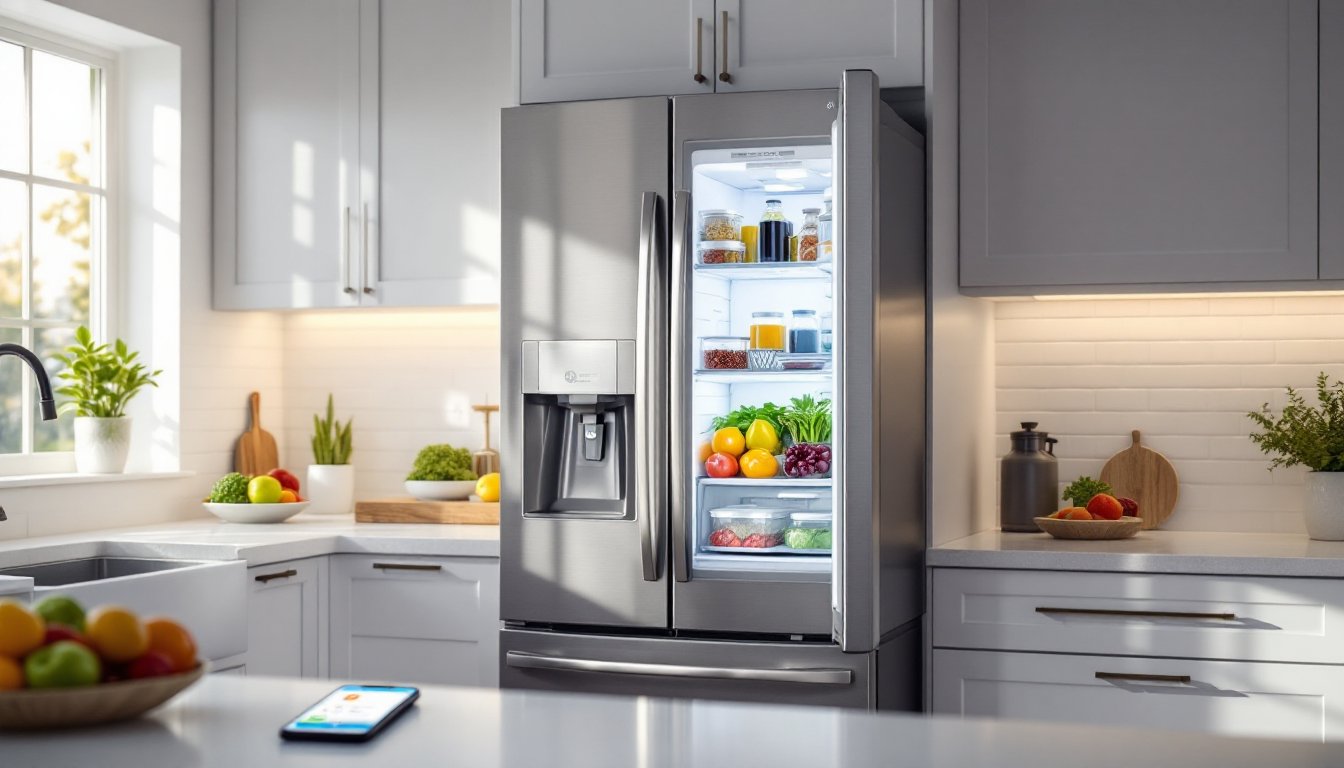

A refrigerator runs 24/7, making it one of the highest-energy appliances in any home. For homeowners looking to trim utility bills without sacrificing food preservation, GE Energy Star refrigerators offer a practical solution. These units combine advanced cooling technology with smart controls to deliver measurable savings and environmental benefits. Whether replacing an older model or upgrading to increase efficiency, understanding what makes GE Energy Star refrigerators different, and how they perform, helps buyers make an well-informed choice that pays dividends year after year.
Key Takeaways
- GE Energy Star refrigerators use at least 15% less energy than federal standards and can save homeowners $42–84 annually, with cumulative savings exceeding $500–$1,200 over a 12–15 year lifespan.
- Advanced features like variable-speed compressors, multi-zone cooling, and adaptive defrost cycles automatically optimize energy use without requiring homeowners to adjust settings manually.
- GE Energy Star models qualify for utility rebates of $50–$200, which often offset the premium cost within 2–3 years when combined with reduced electricity bills.
- Smart Wi-Fi-enabled models allow remote temperature control and alerts to prevent food spoilage and accidental energy waste from open doors or temperature drift.
- Upgrading to a GE Energy Star refrigerator reduces household carbon footprint; if 10 million households made the switch, it would equal removing roughly 65,000 cars from roads annually.
- Popular options like the GTS18GSNSS (bottom-freezer), GFE26JGMNS (French-door), and GSS25GSNSS (side-by-side) offer efficiency across different layouts and price points, with EnergyGuide labels enabling direct comparison of operating costs.
What Makes GE Energy Star Refrigerators Stand Out
GE Energy Star refrigerators meet strict efficiency standards set by the U.S. Environmental Protection Agency. To earn the Energy Star label, a refrigerator must use at least 15% less energy than federal minimum standards require. This isn’t marketing hype, it’s a verifiable performance benchmark.
GE’s approach combines solid engineering with thoughtful design choices. Better insulation, tighter door seals, and optimized compressor cycles reduce the work your refrigerator must do to maintain proper temperatures. Homeowners often notice quieter operation and more stable interior temperatures as side benefits.
The company has built reputation for reliability over decades, and their Energy Star lineup reflects that commitment. Models range from French-door configurations to side-by-sides and bottom-freezer styles, so shoppers don’t sacrifice layout preferences to save energy. Build quality matters too, stainless steel exteriors resist fingerprints and dents better than painted finishes, and hinges on higher-end models are engineered for longevity.
GE’s Energy Star certification also qualifies many units for utility rebates. Check your local electric company’s appliance rebate program before purchasing: discounts often offset a chunk of the purchase price.
Key Energy Efficiency Features
Advanced Cooling Technology
GE Energy Star refrigerators use variable-speed compressors that adjust cooling output based on actual demand. Instead of running at full power constantly, the compressor ramps up or down, much like a modern car engine. This reduces energy waste and lowers operating costs. Models also feature multi-zone cooling, where the fridge and freezer compartments maintain separate temperatures without a single thermostat compromising either space.
Inverted evaporator coils and improved heat exchangers allow cooled air to circulate more efficiently. Food stays fresher longer because temperature fluctuations decrease. The freezer doesn’t frost over as quickly, and the fridge compartment maintains humidity levels better, a detail that extends produce shelf life.
High-efficiency LED lighting replaces older incandescent or CFL bulbs. LEDs draw far less power, generate minimal heat (so the compressor doesn’t have to work harder when the door opens), and last for years. You won’t find yourself replacing refrigerator bulbs every couple of seasons.
Smart Temperature Control
Many GE Energy Star models include Wi-Fi connectivity and app-based controls. Users can adjust temperatures remotely, receive alerts if the door stays ajar too long, and get notifications if the fridge or freezer drifts out of range. This prevents food spoilage and energy waste from accidental temperature changes.
Some units feature adaptive defrost cycles. Instead of running on a fixed schedule, the defrost system activates only when needed, based on frost sensor readings. Fewer unnecessary defrost cycles mean less energy consumed and less strain on components. Smart models also learn usage patterns: if a family travels regularly, the refrigerator can shift to a lower power mode during predictable absent periods.
Temperature management is the heart of refrigerator efficiency. By automating and optimizing these functions, GE Energy Star models handle the work invisibly, saving money and energy without requiring homeowners to think about it.
Cost Savings and Environmental Benefits
An Energy Star certified refrigerator typically uses 600–800 kilowatt-hours annually, compared to 900–1,200 kWh for older non-certified units. At an average U.S. residential electricity rate of $0.14 per kWh (rates vary significantly by region), that translates to roughly $42–84 in annual savings. Over a refrigerator’s typical 12–15 year lifespan, cumulative savings can exceed $500–$1,200, often exceeding the premium cost of Energy Star certification.
Utility rebates sweeten the financial picture. Many electric and natural gas utilities offer $50–$200 rebates for appliance upgrades. Some state and federal programs provide additional incentives. A homeowner who purchases a GE Energy Star refrigerator priced $100–$200 higher than a standard model might recover that difference within 2–3 years through reduced electricity bills and rebates.
Environmental impact matters too. Reduced energy consumption decreases demand on power grids and lowers household carbon footprint. If 10 million households replaced an old refrigerator with an Energy Star unit, the collective reduction would be equivalent to removing roughly 65,000 cars from roads annually. Over time, choosing efficient appliances scales to meaningful environmental change.
It’s worth noting that savings depend on local electricity rates, household size, and usage patterns. A family of six will see greater absolute savings than a single person, but the efficiency gains apply universally. Calculate payback based on your own rates and typical usage to set realistic expectations.
Popular GE Energy Star Models to Consider
GE’s GE Appliances division produces several standout Energy Star models across different price points. The GE GTS18GSNSS is a popular bottom-freezer unit that balances capacity and efficiency. It holds 17.5 cubic feet, includes adjustable shelving, and maintains consistent temperatures without energy waste. This model appeals to kitchens where foot traffic and frequent door openings are normal, the efficiency features minimize the impact of those disruptions.
For French-door preferences, the GE GFE26JGMNS offers 25.5 cubic feet of capacity, dual ice makers, and Wi-Fi controls. The inverter compressor adjusts speed smoothly, responding to usage patterns rather than cycling on and off abruptly. Homeowners appreciate the quiet operation and responsive climate management.
Budget-conscious buyers often consider the GE GSS25GSNSS side-by-side refrigerator. It delivers solid efficiency at a lower price point than French-door competitors, though capacity is slightly smaller at 24.8 cubic feet. It’s a good fit for smaller households or kitchens where layout constraints matter more than maximum space.
When evaluating models, check the EnergyGuide label attached to every refrigerator. This label shows estimated annual operating cost and allows direct comparison between units. A refrigerator with a lower estimated annual cost is the more efficient choice, regardless of capacity or style. Take time to consider door configuration, ice maker type (built-in icemakers draw more power than manual models), and desired features like water dispensers or smart controls, these affect both cost and long-term efficiency.
Conclusion
GE Energy Star refrigerators deliver measurable efficiency gains, lower operating costs, and environmental benefits without requiring lifestyle compromise. The technology is straightforward: better insulation, smarter cooling cycles, and precise temperature management work together to reduce energy consumption. Combined with utility rebates and real savings on electricity bills, Energy Star certification makes financial sense over a refrigerator’s lifespan. For homeowners serious about improving energy efficiency at home, upgrading to a GE Energy Star model is one of the highest-impact, easiest projects, no tools, no installation headaches, just better performance from day one.