

When it comes to keeping cool in summer or cozy in winter, HVAC efficiency is the unsung hero of home comfort. Imagine your air conditioner working harder than a coffee-fueled intern on a Monday morning, only to leave you with sky-high energy bills and a less-than-comfortable home. It’s time to give that overworked system a break and discover how simple tweaks can make a world of difference.
Boosting HVAC efficiency isn’t just smart—it’s downright essential. With a few easy adjustments, homeowners can save money, reduce energy waste, and extend the life of their systems. So why not turn your home into an efficiency powerhouse? After all, who wouldn’t want to enjoy a perfectly balanced indoor climate while keeping their wallet happy? Let’s dive into the world of HVAC efficiency and unlock the secrets to a more comfortable, cost-effective home.
hvac efficiency
HVAC efficiency refers to how effectively heating, ventilation, and air conditioning systems operate. Efficient systems utilize less energy while maintaining desired indoor temperatures.
Definition of HVAC Efficiency
HVAC efficiency measures the ability of a system to convert energy into heating or cooling. Specific metrics, such as SEER (Seasonal Energy Efficiency Ratio) for air conditioners and AFUE (Annual Fuel Utilization Efficiency) for furnaces, quantify this efficiency. A higher SEER rating signifies better cooling efficiency, while a higher AFUE percentage indicates more effective heating. Understanding these metrics helps consumers evaluate equipment performance and make informed decisions.
Importance of HVAC Efficiency
HVAC efficiency significantly affects energy expenses and overall comfort levels. An efficient system decreases energy bills by using power more effectively, reducing waste. Over time, improvements to HVAC efficiency can extend the lifespan of equipment, minimizing replacement costs. Enhanced efficiency aligns with environmental goals by lowering greenhouse gas emissions. Ultimately, prioritizing HVAC efficiency contributes to a comfortable living environment while promoting sustainability.
Factors Affecting HVAC Efficiency
HVAC efficiency relies on several key factors. Understanding these can lead to enhanced performance and cost savings.
System Design and Size
System design and size play a crucial role in HVAC efficiency. An appropriately sized system matches the specific heating and cooling needs of a space. Oversized units waste energy by cycling on and off too frequently. Conversely, undersized systems struggle to maintain comfort levels, leading to excessive energy consumption. Proper load calculations help determine the ideal size required for optimal operation. Additionally, ductwork design impacts efficiency. Well-designed duct systems reduce airflow resistance, promoting better distribution of air throughout a home.
Maintenance Practices
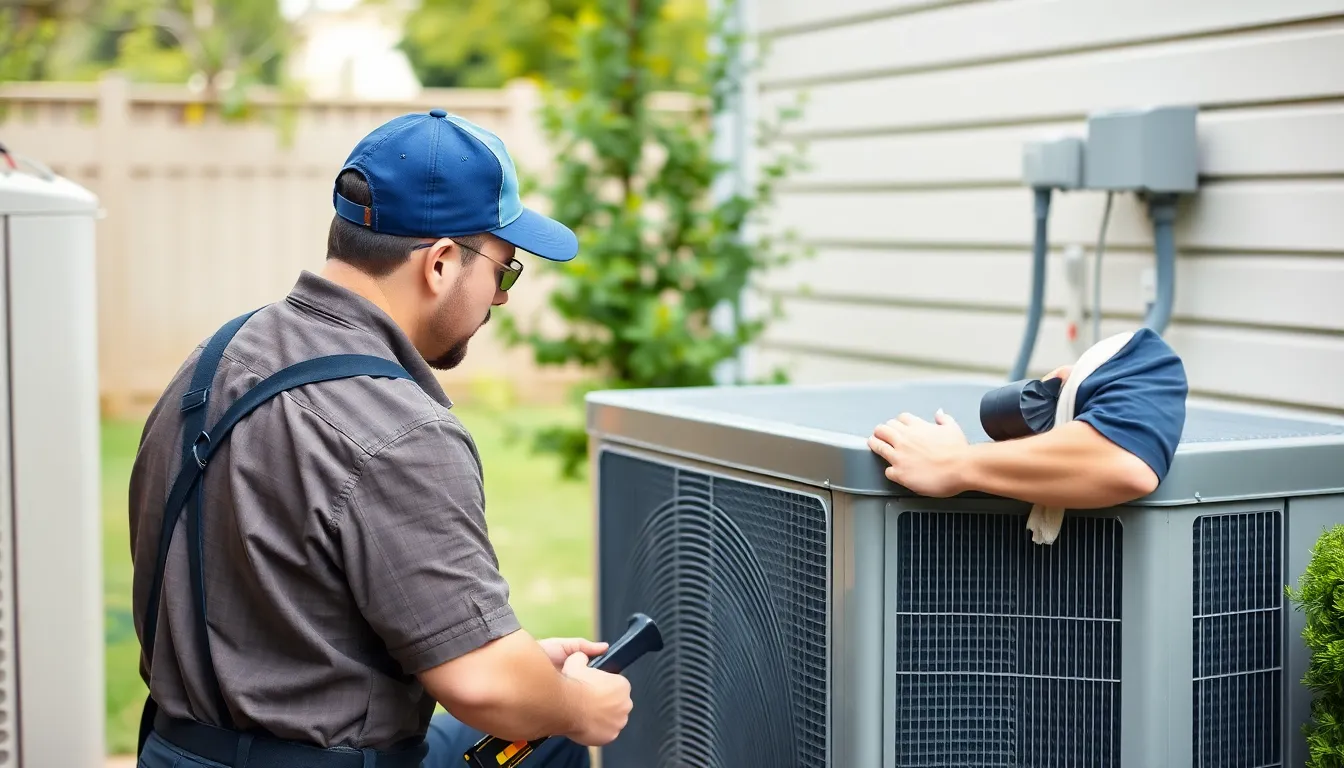
Regular maintenance practices significantly influence HVAC efficiency. Scheduled inspections ensure systems operate at peak performance. Neglected filters can clog, causing airflow restrictions that force systems to work harder. Cleaning coils and checking refrigerant levels contribute to efficient operation. Homeowners should also monitor for any unusual sounds, which may indicate underlying issues. Addressing small problems promptly prevents larger, costly repairs down the line. Trained professionals can provide thorough maintenance, extending system lifespan and enhancing efficiency.
Improving HVAC Efficiency
Improving HVAC efficiency involves implementing practical strategies that enhance performance and comfort. Both routine care and modern upgrades play significant roles in achieving optimal system efficiency.
Regular Maintenance
Regular maintenance ensures HVAC systems operate smoothly. Inspections should occur at least twice a year to address potential issues before they escalate. Technicians often clean filters, check refrigerant levels, and inspect ductwork for leaks. Efficient airflow depends on clean components, which promote optimal heating and cooling. Tracking maintenance schedules helps homeowners avoid costly repairs while extending system lifespans.
Upgrading Systems
Upgrading systems maximizes HVAC efficiency and reduces energy consumption. Newer models often boast higher SEER and AFUE ratings, reflecting improved energy performance. Homeowners should consider energy-efficient options, such as variable-speed compressors and smart thermostats. These innovative features adapt to changing indoor conditions, helping maintain comfort while cutting energy costs. Energy Star-certified equipment often represents the best choices for reducing environmental impact and enhancing living spaces.
Benefits of High HVAC Efficiency
High HVAC efficiency provides numerous advantages for homeowners. Cost effectiveness and sustainability emerge as paramount benefits.
Cost Savings
Cost savings stem from reduced energy consumption. Energy-efficient systems use less electricity to maintain comfortable temperatures, leading to lower utility bills. The U.S. Department of Energy states that upgrading to a high-efficiency HVAC unit can cut energy costs by up to 30%. Over time, these savings can accumulate significantly. Regular maintenance also plays a vital role in sustaining efficiency and preventing costly repairs. Homeowners who invest in efficient systems enjoy reduced operational costs while maintaining comfort.
Environmental Impact
Environmental impact reflects the importance of high HVAC efficiency. Energy-efficient systems contribute to lower greenhouse gas emissions. The Environmental Protection Agency notes that enhancing HVAC efficiency can reduce residential energy use and associated carbon footprints. Energy Star-certified units lead the way in promoting sustainability. They operate more cleanly than older models, benefiting both the environment and households alike. The adoption of efficient systems aligns with broader environmental goals, fostering a healthier planet for future generations. Prioritizing efficiency thus supports both a comfortable living space and a sustainable environment.
Conclusion
Prioritizing HVAC efficiency is essential for any homeowner looking to enhance comfort and reduce energy costs. By understanding the metrics that define efficiency and implementing practical strategies for improvement, individuals can significantly impact their living environment. Regular maintenance and timely upgrades to energy-efficient systems not only lead to long-term savings but also support environmental sustainability. Investing in a well-functioning HVAC system pays off in comfort, cost savings, and a healthier planet. Embracing these practices ensures a more enjoyable and efficient home for years to come.