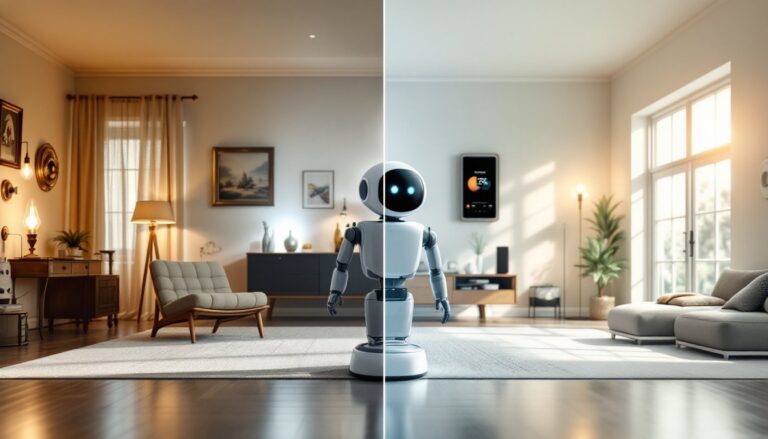


Imagine walking into your home and having the lights turn on, the coffee brew, and your favorite playlist start playing—all without lifting a finger. Sounds like magic, right? Well, it’s not. With DIY home automation, anyone can transform their living space into a smart haven without breaking the bank or hiring a tech wizard.
Gone are the days of fumbling with switches and remote controls. It’s time to embrace the future and give your home a brain of its own. Whether it’s setting the perfect mood for movie night or ensuring your home is secure while you’re away, DIY home automation lets homeowners take control. So grab your tools and get ready to impress your friends with a home that practically runs itself. Who knew being a tech-savvy homeowner could be this much fun?
diy home automation
DIY home automation refers to the process of using technology to control various devices within a home. Homeowners can create a smarter, more efficient living environment by taking charge of their home automation projects. This approach eliminates the need for costly systems or professional installation, making automation accessible to anyone.
The key advantage of DIY home automation lies in its flexibility. It allows individuals to customize their systems to suit specific needs, whether that’s automating lighting, climate control, or security features. For example, one can set smart lights to turn on automatically at sunset or program a thermostat to adjust temperature based on occupancy.
Many devices integrate seamlessly with home networks, enabling centralized control through smartphones or tablets. A homeowner can use dedicated apps to manage everything from entertainment systems to household appliances. Smart speakers often serve as control hubs, allowing for voice commands that make interactions even easier.
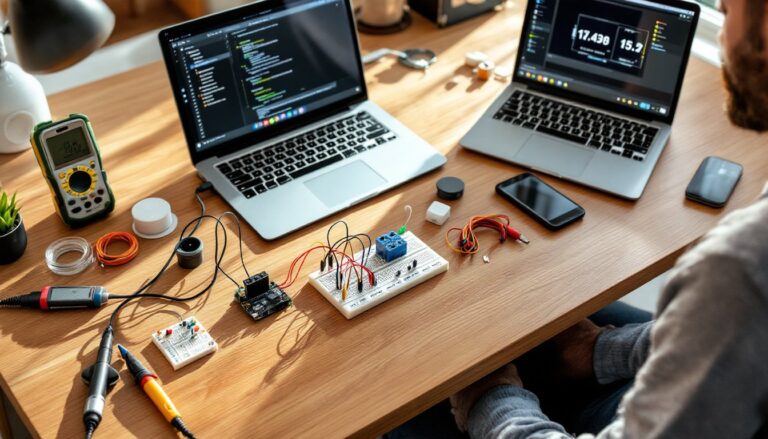
Installation of smart devices frequently requires minimal technical expertise. Basic skills in handling tools and reading instructions suffice for most projects. Resources like online tutorials and community forums provide additional support, helping users troubleshoot common issues.
Variety in device choices also enhances the DIY experience. Smart plugs, cameras, and sensors offer diverse options for automation. Selecting devices that work together enhances system functionality, promoting an integrated solution that simplifies and enhances daily routines.
Ultimately, DIY home automation empowers homeowners by combining technology with personal creativity, transforming traditional living spaces into connected environments that enhance convenience and security.
Benefits of DIY Home Automation
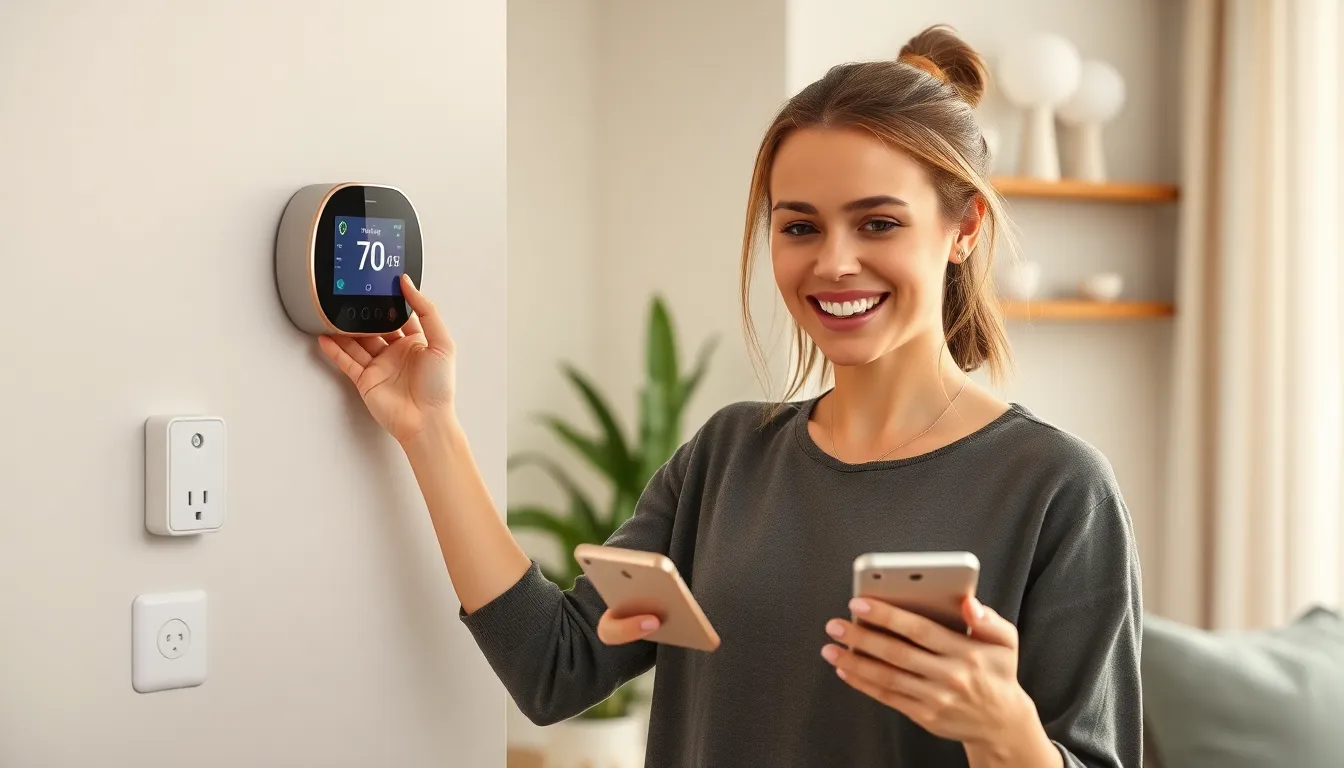
DIY home automation provides multiple advantages, transforming how homeowners interact with their spaces. Among these benefits, cost savings and increased convenience stand out.
Cost Savings
Implementing DIY home automation leads to significant financial benefits. Homeowners save money on installation fees by opting for self-setup rather than hiring professionals. Many budget-friendly smart devices exist, such as smart plugs and bulbs that prevent overspending. Energy efficiency improves due to automated systems that optimize usage, lowering utility bills. Savings also stem from enhanced security features, which can deter theft and vandalism without the expense of professional monitoring services. Overall, this approach allows individuals to enjoy a smart home without breaking the bank.
Increased Convenience
Convenience becomes a cornerstone of DIY home automation systems. Homeowners can automate everyday tasks, like turning lights on or off and adjusting thermostats. Smart devices make it simple to control home settings from smartphones or tablets, enabling adjustments while on the go. Voice commands add another layer of ease, allowing quick access to information and control without physical interaction. As tasks become streamlined, daily routines feel less cumbersome and more efficient. Enhanced convenience leads to a more enjoyable living experience, reinforcing the desire to personalize home environments.
Essential Tools and Equipment
DIY home automation requires specific tools and equipment for effective implementation. Selecting the right components allows homeowners to customize their smart living spaces.
Smart Home Hubs
Smart home hubs serve as the central command point of a DIY system. These devices connect various smart products, enabling them to communicate with each other seamlessly. Popular models include Amazon Echo and Google Nest Hub, both offering compatibility with numerous gadgets. Users can control appliances using voice commands or mobile apps, streamlining home management. Hubs often support automation routines, enhancing efficiency when multiple devices work together. Investing in a reliable hub simplifies the setup process and ensures smooth integration of new technologies into existing systems.
Sensors and Switches
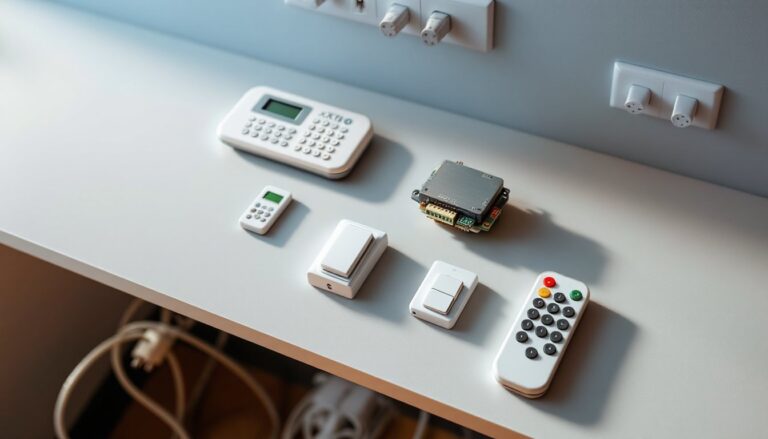
Sensors and switches play crucial roles in automating tasks within the home. Motion sensors detect movement, allowing lights to turn on automatically as people enter a room. Similarly, door/window sensors enhance security by alerting homeowners when an entry point opens unexpectedly. Smart switches replace traditional ones, enabling remote control of lighting and other electrical devices. Compatibility with existing home networks is essential for these devices; many connect via Wi-Fi or Zigbee technology. Selecting the right sensors and switches increases automation options while providing more control over home environments.
Getting Started with DIY Home Automation
Embarking on a DIY home automation journey can be both exciting and rewarding. This section covers essential aspects to help homeowners establish a smart home environment.
Planning Your Smart Home Setup
Planning the smart home setup starts with assessing individual needs and preferences. Identify which tasks to automate, such as lighting control or climate management. Next, consider the layout of the home. This analysis informs the placement of devices like smart plugs and sensors for maximum effectiveness. Reviewing the existing home network is also vital, as reliable Wi-Fi enables seamless device communication. Scheduling a budget for devices is crucial, ensuring flexibility for future upgrades. Prioritizing efficiency and user experience leads to selecting solutions that resonate with personal routines.
Choosing the Right Devices
Choosing the right devices involves understanding various options available in the market. Smart hubs, like Amazon Echo and Google Nest Hub, serve as central control points. These devices manage multiple smart tech products and support voice commands and app controls. Selecting smart bulbs enhances lighting with customizable colors and schedules. Smart plugs add convenience to non-smart devices by enabling remote operation. Security cameras and door/window sensors improve safety and home monitoring. Compatibility is key; devices should connect via Wi-Fi or Zigbee technology for smooth interactions. Researching user reviews and ratings helps identify reliable products that suit specific needs efficiently.
Common DIY Home Automation Projects
DIY home automation projects transform living spaces into smart environments. These projects enhance convenience, security, and energy efficiency.
Smart Lighting Solutions
Smart lighting offers improved control over home illumination. Homeowners can utilize smart bulbs or plugs to create schedules or automate lights to respond to movement. Voice commands via smart assistants enable easy adjustments without manual switches. With mobile apps, users can dim, brighten, or change the color of lights remotely. Energy savings become a notable benefit, leading to lower electricity bills. Furthermore, security features like automated lighting mimic occupant presence, deterring potential intruders. Choices include Philips Hue for versatility or Wyze bulbs for budget constraints. Homeowners appreciate how these options cater to various needs.
Automated Thermostats
Automated thermostats adjust temperature settings based on user preferences. Devices like the Nest Learning Thermostat learn habits and optimize energy usage over time. Manual adjustments are eliminated, enhancing comfort and reducing energy consumption. Homeowners gain the ability to control the thermostat remotely via smartphones, allowing for adjustments while away. Integration with other smart home devices provides improved functionality, creating a cohesive system. Many models include energy reports, allowing users to track their consumption. Options like Ecobee come with additional sensors, ensuring consistent climate control in larger spaces. Efficient temperature management significantly increases convenience and savings.
Challenges and Considerations
DIY home automation presents several challenges that homeowners must address. Compatibility issues frequently arise when integrating various devices into a single system. Not all devices communicate seamlessly, so ensuring that products are compatible with the home network is essential. Manufacturers may employ different protocols, resulting in connectivity problems. Homeowners often need to verify device specifications to avoid frustration during setup.
Security concerns also play a significant role in the DIY home automation process. Smart devices can be vulnerable to hacking, potentially compromising sensitive information. It’s crucial for users to implement strong passwords and regularly update device firmware. Homeowners should consider securing their Wi-Fi networks as well to prevent unauthorized access. Additionally, surveillance options, such as smart cameras, help monitor activity and enhance security measures throughout the home environment.
Conclusion
DIY home automation offers a transformative way to enhance living spaces with technology. By embracing this innovative approach homeowners can enjoy increased convenience and security while saving money. With a variety of devices and resources available anyone can create a customized smart home that fits their unique needs.
As individuals explore DIY projects they’ll discover the satisfaction of personalizing their environments. Whether automating lighting or optimizing energy use the possibilities are endless. By taking control of their home technology homeowners can enjoy a more efficient and enjoyable lifestyle. The journey into DIY home automation not only simplifies daily routines but also empowers creativity and innovation in home management.