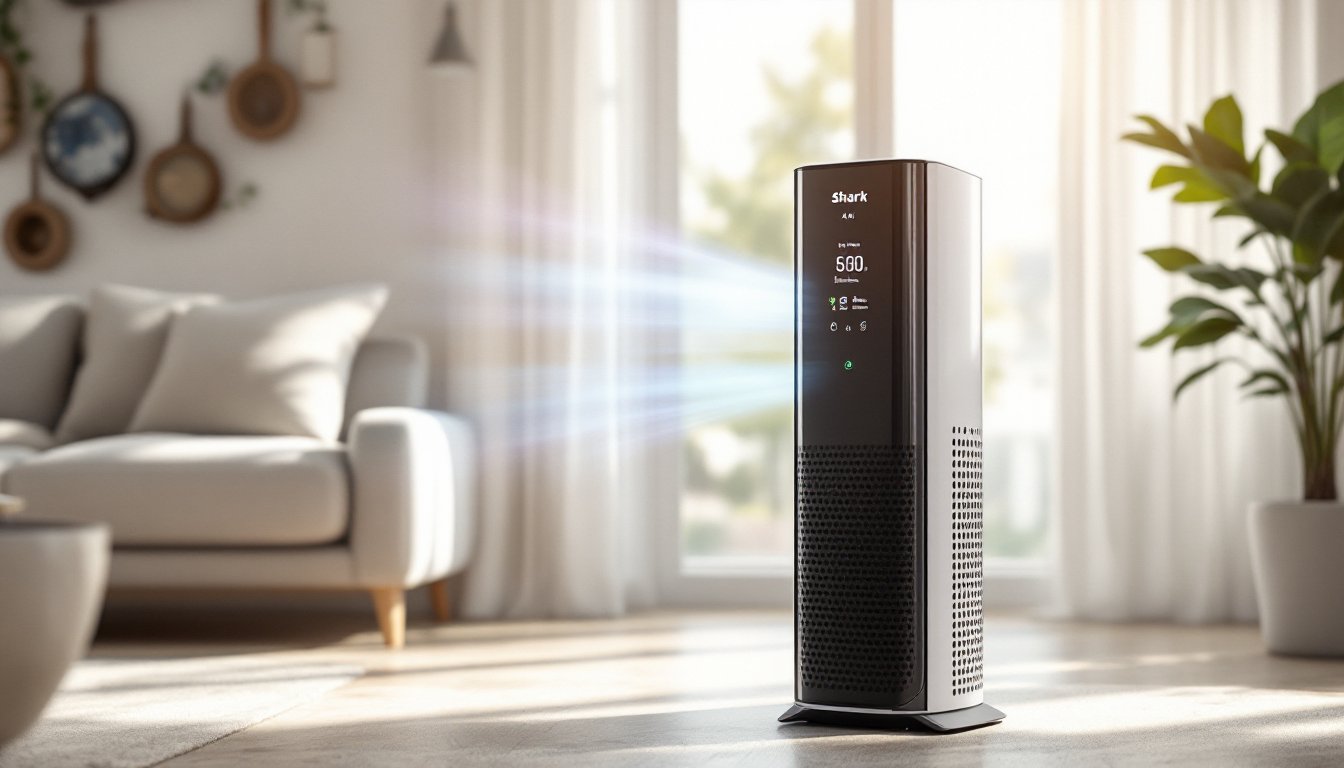

Indoor air quality matters more than ever, and a Shark air purifier can make a real difference in removing dust, allergens, and odors from your living space. Whether you’re dealing with pet dander, seasonal allergies, or just plain stale air, the right air purifier tackles the job without very costly. Shark has built a solid reputation for delivering reliable home appliances, and their air purifier lineup reflects that same practical approach. This guide cuts through the marketing noise and helps you pick the model that actually fits your home’s needs, no fluff, just the specs and performance data that matter.
Key Takeaways
- Shark air purifiers use proven multi-stage HEPA and activated carbon filtration to remove 99.97% of particles and odors, matching industry-leading performance at a more affordable price point than premium competitors.
- For effective air purification, match your Shark model’s coverage area to your room size and aim for 4–6 air changes per hour; mismatched sizing or poor placement significantly reduces real-world performance.
- Budget $30–$60 every 6–12 months for filter replacements as the primary ongoing cost, with electricity expenses around $3–$6 monthly, making a Shark air purifier an affordable way to improve indoor air quality.
- Shark air purifiers operate quietly at 22–55 decibels depending on fan speed, with sleep mode and straightforward maintenance making them practical for bedrooms and high-traffic family spaces.
- Choose your Shark model based on room size, noise tolerance, and whether smart features like app control and air quality sensors matter to your household needs.
What Makes Shark Air Purifiers Stand Out
Shark air purifiers compete in a crowded market, but they hold their own by balancing effectiveness with accessibility. The brand focuses on straightforward designs that don’t require a manual degree to operate. Their units ship with solid warranties, typically three to five years depending on the model, which signals confidence in build quality.
One practical advantage: Shark purifiers are engineered to work in real homes, not sterile showrooms. They handle high-traffic family spaces, pet-filled apartments, and basements without theatrical marketing. You won’t find Instagram-worthy minimalist design here, instead, you get a no-nonsense machine that sits in a corner and does its job. The filter replacement indicators are clear, and you can find replacement filters at reasonable prices online and in stores. For DIYers and homeowners who want reliability without a premium brand markup, Shark delivers honest performance at a fair price point.
Key Features and Filtration Technology
Most modern Shark air purifiers use multi-stage filtration to trap particles at different sizes. The approach is straightforward: pre-filter catches large debris, HEPA filter captures microscopic contaminants, and activated carbon removes odors and volatile organic compounds. This layered system is more effective than single-filter designs, and it’s been the industry standard for nearly two decades.
Quiet operation is another selling point. Most Shark models operate between 22 and 55 decibels depending on fan speed, that’s roughly the sound of a quiet office at lower settings and a bathroom exhaust fan at maximum. Sleep mode reduces noise further, making these units suitable for bedrooms and nurseries.
Smart features vary by model. Higher-end Shark air purifiers include air quality indicators (usually LED displays showing particle density in real time), app controls, and filter replacement reminders that actually work without nagging every five minutes.
HEPA and Carbon Filter Systems
HEPA filtration (High-Efficiency Particulate Air) removes 99.97% of particles 0.3 microns and larger, think dust mites, pollen, mold spores, and pet dander. The filter material is dense paper layered in a pleated accordion design to maximize surface area. This isn’t proprietary Shark tech: it’s a proven standard used across the industry.
Activated carbon layers work differently. They don’t trap particles: instead, they chemically absorb odor molecules and gases. If you’ve got cooking smells, pet odors, or smoke, the carbon filter handles that job. One caveat: carbon filters saturate over time and become less effective at odor removal, even if the HEPA layer still functions.
Shark air purifiers typically bundle these filters together in a single cartridge. Replacement costs generally run $30 to $60 per cartridge, and most filters last six to twelve months with daily use in an average-sized room. Heavy use (pet owners, smokers, allergies) may require more frequent changes.
Popular Shark Air Purifier Models Compared
Shark’s 2026 lineup includes several standout models, each targeting different room sizes and budgets.
The Shark HP102 is an entry-level option that handles rooms up to 150 square feet. It’s compact, lightweight, and straightforward to set up, no app integration, just a basic three-speed fan control. This model suits apartment dwellers or anyone testing the waters before investing heavily.
The Shark HP200 steps up with coverage for 300-square-foot spaces and adds app connectivity and an air quality sensor. It’s the sweet spot for most homes: affordable enough that you won’t regret the purchase, capable enough to handle a master bedroom or open-plan living area.
The Shark HP202 and HP300 models push higher coverage areas (400–500 square feet) and faster air exchange rates. These suit larger homes, basements, or offices. They’re louder at maximum speed and consume more electricity, but they shift air quickly.
Compare these against name-brand competitors like Dyson or Levoit, and Shark undercuts on price while matching, or exceeding, measured performance on particle removal. Dyson units often cost $400–$700 more for similar coverage, though they do offer sleeker industrial design. Levoit is closer in price, but Shark’s warranty coverage and local support tend to edge ahead.
Performance Metrics: Coverage Area and Air Changes
Air purifiers work by cycling room air through their filters. The industry standard Air Changes Per Hour (ACH) measures how many times a unit cleans all the air in a given room per hour. For allergy relief, four to five ACH is acceptable: for heavy odor or smoke removal, six-plus ACH is better. Shark models typically deliver four to six ACH in their rated coverage area.
Coverage areas listed by manufacturers assume standard ceiling heights (eight to nine feet) and relatively open floor plans. Narrow hallways, cluttered rooms, or high ceilings reduce effective coverage. If you’re using a purifier meant for 300 square feet in a 400-square-foot space crammed with furniture, it won’t perform as well. It’ll still remove particles, just more slowly.
Real-world placement matters. Put the unit in a central location away from walls and curtains that can block intake vents. Don’t tuck it behind a couch or closet door. Fans create airflow patterns: positioning near a room’s natural air circulation zones (often near doorways or open spaces) boosts effectiveness.
Noise-to-performance trade-off is real. Shark purifiers at maximum speed move air aggressively and hit higher ACH ratings, but the noise jumps significantly. Most homeowners find the mid-speed setting acceptable for daytime use and sleep mode for nighttime operation.
Maintenance and Cost Considerations
Filter replacement is the primary ongoing cost. Budget $30 to $60 every six to twelve months per unit, depending on usage and air quality. Heavy pet owners or smokers might cycle filters quarterly. The cost adds up if you’re running multiple units.
Electricity consumption is modest compared to HVAC systems. A typical Shark purifier uses 40–80 watts, less than a standard desk lamp. Running one continuously for a month costs roughly $3 to $6, depending on local utility rates.
Actual maintenance is minimal. Wipe the exterior casing monthly to keep dust off intake vents. The pre-filter is sometimes washable (check your model’s manual), which extends its life. Never wash the HEPA or carbon filters: just replace them when the indicator light signals it’s time.
One real consideration: noise tolerance varies. If you’re sensitive to white noise or fan sounds, run the unit during daytime hours or in a separate room from where you sleep. Some people find the constant hum soothing: others find it irritating. A few nights of testing at a store or rental option can help you decide before committing.
Warranty coverage on Shark units is honest and backs up their reliability claim. Most come with three to five years of parts and labor protection. Register your unit online to activate coverage, and keep your receipt.
Conclusion
Choosing the right Shark air purifier comes down to matching coverage area to your space, accepting noise levels, and committing to regular filter changes. There’s no magic model, the best pick is the one you’ll actually run consistently. Start with room size, add budget flexibility, and consider whether app features or quiet operation matter more to you. Shark’s practical approach and solid reliability make their purifiers a sensible choice for homeowners serious about improving indoor air quality without unnecessary complexity or expense.