
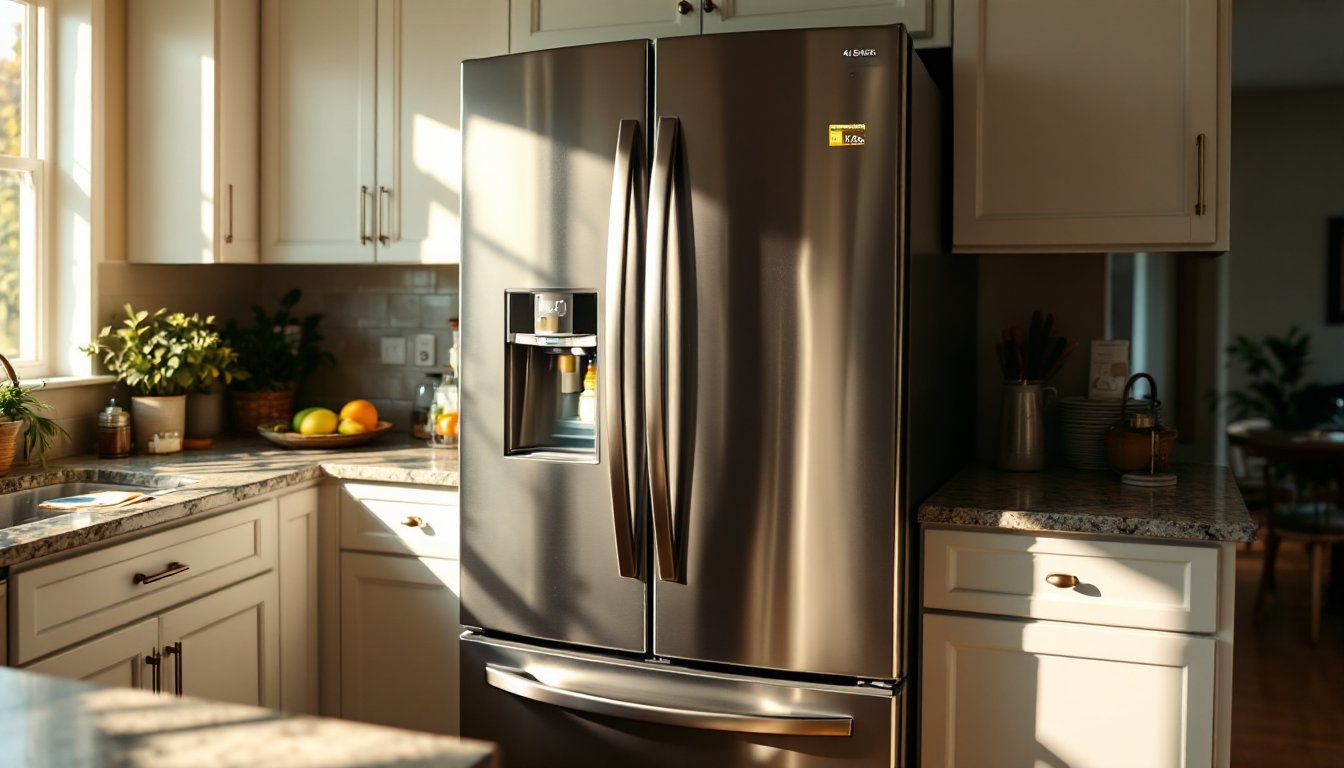

A refrigerator is likely one of the biggest energy users in any home, running 24/7 to keep food fresh and safe. Yet most people have no idea how much electricity their fridge actually consumes or what factors drive those costs. Understanding your refrigerator’s energy usage isn’t just trivia, it directly impacts your electric bill and can help you make smarter choices about repairs, replacements, or efficiency upgrades. In 2026, with rising energy costs and improved appliance technology, knowing whether your fridge is a money pit or running lean matters more than ever. This guide breaks down real energy numbers, explains what affects consumption, and gives you practical ways to cut waste without sacrificing performance.
Key Takeaways
- Most full-size refrigerators consume 1,200–2,000 kWh annually, accounting for 10–20% of typical household electricity usage and costing $120–$300 per year.
- Older fridges made before 2000 can use twice the energy of modern units; upgrading to an Energy Star certified model can save $100–$200 yearly.
- Refrigerator age, size, door configuration, and placement near heat sources are the primary factors that drive energy consumption and operating costs.
- Cleaning condenser coils every 3–6 months, checking door seals, and maintaining proper temperature settings (37–40°F for fridge, 0°F for freezer) can reduce energy use by 5–15%.
- Calculate your refrigerator’s annual cost by multiplying its kWh consumption from the EnergyGuide label by your local electricity rate, which ranges from $0.10–$0.25 per kWh.
Average Energy Consumption by Refrigerator Type
Most standard refrigerators use between 400 and 800 watts of power when actively running. That sounds like a lot, but fridges don’t compress continuously, they cycle on and off throughout the day based on internal temperature. A typical full-size refrigerator with a freezer compartment consumes about 1,200 to 2,000 kilowatt-hours per year in actual usage. Smaller units, like compact or mini fridges, draw around 300 to 600 kWh annually, while large French-door or side-by-side models can approach 2,500+ kWh per year. For reference, the average U.S. household uses roughly 10,500 kWh annually across all appliances, making a fridge account for 10–20% of typical residential electricity consumption. Energy Star certified models, which meet federal efficiency standards, consume about 15% less energy than non-certified units. The specific number depends heavily on the fridge’s age, size, door configuration, and how often the doors are opened.
Factors That Impact Your Refrigerator’s Energy Usage
Several variables influence how hard your refrigerator works and how much power it pulls from your meter.
Age and Efficiency Rating
Age is one of the biggest culprits. A refrigerator made before 2000 can consume twice the energy of a modern unit because older compressors were less efficient, insulation standards were lower, and freezer coils often accumulated frost. By contrast, fridges manufactured in the past five years typically use inverter compressors that modulate speed based on demand rather than cycling on and off at full power. Check your fridge’s EnergyGuide label, a yellow sticker legally required on all new appliances, which shows estimated annual operating costs. If your fridge is over 15 years old, upgrading to an Energy Star model could save you $100–$200 yearly. Actual consumption also depends on the specific compressor type and refrigerant used: newer R-600a refrigerants are more thermodynamically efficient than older CFCs.
Size, Design, and Door Configuration
Obviously, larger fridges hold more food and require more cooling energy. A full-width bottom-freezer uses less energy than a similarly sized French-door model because side-by-side and French-door designs have longer door gaskets and larger opening areas, letting cold air escape faster. Door-in-door features and ice/water dispensers on the front door add motors and increase air infiltration every time you grab ice. A single-door refrigerator with a small freezer section is the most efficient configuration because it minimizes surface area and reduces the number of mechanical components. Kitchen placement also matters: fridges positioned near heat sources (ovens, direct sunlight, heating vents) work harder to maintain temperature and consume more energy.
How to Estimate Your Annual Energy Costs
To calculate what your fridge actually costs to run, you need three pieces of information: annual kilowatt-hours, your local electricity rate, and the fridge’s efficiency rating. Start by finding the yellow EnergyGuide label on your fridge (usually on the side or back) or the original purchase documentation. The label states estimated annual energy consumption in kWh. Next, check your electric utility bill for your rate per kWh, this varies widely by region and time of use. In 2026, U.S. rates range from about $0.10 to $0.25 per kWh depending on location. Multiply the annual kWh by your rate. For example, if your fridge uses 1,500 kWh per year and your rate is $0.14 per kWh, your annual cost is $210. Over a 15-year appliance lifespan, that’s $3,150, a meaningful number when deciding whether to replace an old unit. If you don’t have the EnergyGuide, you can estimate using type: a standard full-size fridge averages 1,500 kWh/year, a large side-by-side around 2,200 kWh/year, and a compact model about 450 kWh/year.
Simple Ways to Reduce Your Refrigerator’s Energy Consumption
You don’t need a new appliance to cut energy waste. Several maintenance and usage tweaks pay for themselves within months.
Keep the condenser coils clean. Dust and pet hair clogging the coils on the back or bottom of your fridge force the compressor to work harder. Unplug the unit and vacuum or brush the coils every 3–6 months using a coil cleaning brush (inexpensive at appliance supply stores). This alone can reduce consumption by 5–15%.
Check door seals. A leaky gasket lets cold air escape continuously. Close the fridge door on a dollar bill: if it slides out easily, the seal is weak. Dirty gaskets sometimes just need cleaning with warm soapy water. If cleaning doesn’t help, replacement gaskets are affordable and install in minutes without tools.
Don’t overfill or underfill. A fridge packed too tightly restricts airflow and forces the compressor to cycle more often. Conversely, a mostly empty fridge has to cool dead air space. Aim for a reasonably filled unit with proper spacing between items.
Keep the fridge at the right temperature. Most fridges should run at 37–40°F and freezers at 0°F or below. A fridge set to 33°F uses noticeably more energy than one at 38°F. If your unit has a dial (1 to 9 or similar), start at mid-setting and adjust up or down slowly over a week until you find the sweet spot where food stays fresh but energy consumption stays reasonable.
Avoid heat exposure. Don’t place hot dishes directly inside: let them cool first. Don’t position the fridge next to an oven, dishwasher, or sunny window. Adequate clearance around the unit, at least 2 inches on the sides and back, improves air circulation and cooling efficiency.
Limit door openings. Every time you open the door, cold air escapes and the compressor must work to re-cool. Teach household members to grab what they need and close the door quickly. Stare-at-the-fridge time is an energy cost.
Conclusion
Your refrigerator’s energy use is measurable and manageable. Most fridges consume 1,200–2,000 kWh annually, translating to $120–$300 in yearly operating costs for typical households. Age, size, and maintenance practices drive efficiency: older models cost significantly more to run than modern Energy Star units. Simple maintenance, cleaning coils, checking door seals, and keeping the fridge at the right temperature, cuts waste without requiring replacement. If your fridge is over 15 years old, upgrading pays dividends through lower energy bills and improved food preservation. Either way, understanding your fridge’s consumption empowers you to make smart decisions about this always-on appliance.