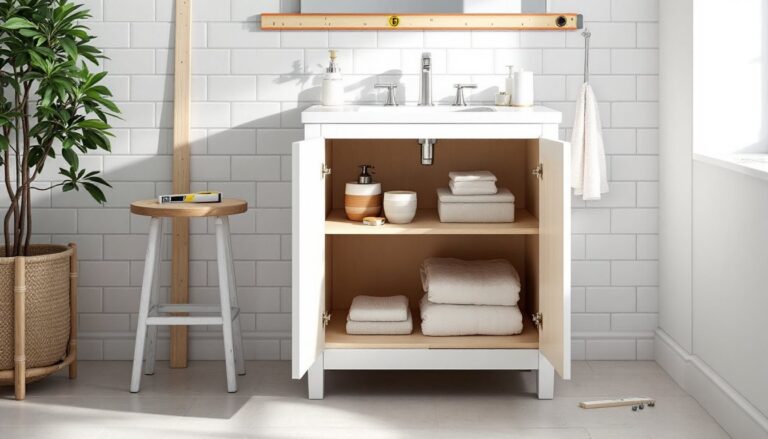
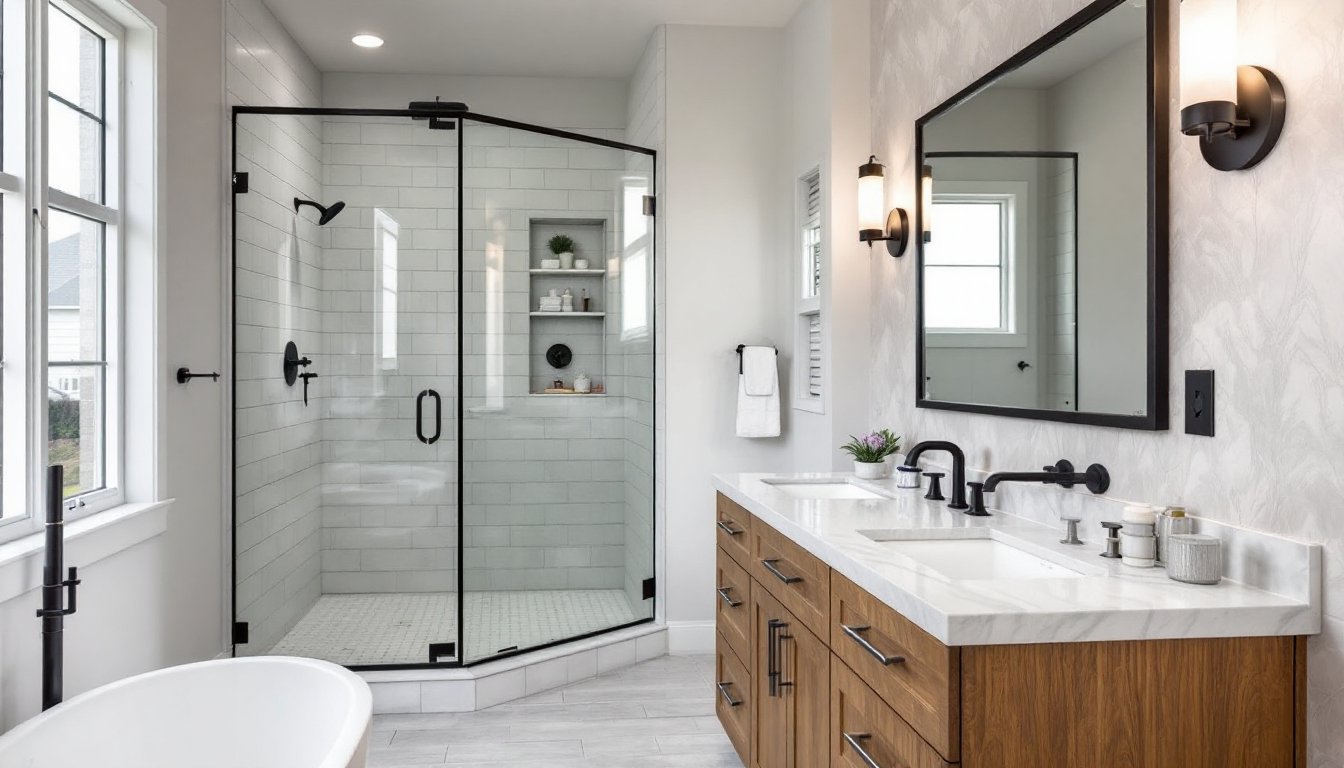

A bathroom remodel can transform one of the most-used rooms in a home from dated and cramped into a spa-like retreat. For Kansas City homeowners, a bathroom remodel is also a smart investment, updated bathrooms consistently return 60-70% of their cost at resale and improve daily quality of life. Whether someone is tired of 1990s tile, dealing with plumbing issues, or ready to create a modern space, remodeling is a practical upgrade. This guide walks through the real planning, design, and contractor selection steps needed to pull off a successful bathroom remodel without surprises.
Key Takeaways
- A bathroom remodel in Kansas City typically costs $8,000–$25,000 for mid-level work and returns 60–70% of its cost at resale, making it a smart investment for homeowners.
- Budget 15–20% contingency funds for hidden issues like water damage or outdated wiring, and expect a full bathroom remodel to take 4–8 weeks depending on structural work needed.
- Spring and early summer are ideal seasons for a Kansas City bathroom remodel due to manageable humidity and better contractor availability.
- Select a licensed contractor with verifiable references, liability insurance, and a detailed itemized estimate—avoid bids 30% lower than competitors, as they often signal cost-cutting corners.
- Design with timeless styles like neutral tile, subway accents, and layered LED lighting to avoid trendy choices that date quickly, and ensure proper ventilation with an appropriately rated exhaust fan.
- Prevent costly mistakes by allowing tile and stone to acclimate 24–48 hours before installation, keeping the toilet in its current location when possible, and avoiding scope creep through mid-project design changes.
Why Now Is the Perfect Time to Remodel Your Bathroom
Kansas City’s housing market remains competitive, and a bathroom remodel is one of the highest-impact upgrades a homeowner can make before selling. Even if not selling soon, bathrooms wear faster than other rooms, water exposure, moisture, and heavy daily use take a toll. A cracked tile, leaking valve, or mold around the shower signal that cosmetic work alone won’t fix the underlying problems.
Spring and early summer are ideal seasons for bathroom work in Kansas City. Humidity is manageable, contractors have more availability than in winter, and homeowners can air out the house between tasks. Beyond timing, a remodel is the right call if the current bathroom has visible damage, outdated fixtures, poor lighting, insufficient storage, or ongoing maintenance issues. Waiting only compounds problems, a small leak becomes structural rot, and a quick patch becomes a full-scale renovation with emergency pricing.
Essential Planning Steps Before Your Kansas City Bathroom Remodel
Set a Realistic Budget and Timeline
A bathroom remodel budget in Kansas City typically ranges from $8,000 to $25,000 for a mid-level refresh, and $30,000+ for high-end work, but budget varies wildly based on scope. A cosmetic update (new fixtures, paint, tile on walls) costs less than a structural change (moving plumbing, relocating fixtures, replacing the tub with a shower). Before finalizing numbers, homeowners should allocate 15-20% as a contingency fund for unforeseen issues, hidden water damage, old wiring, or asbestos require professional remediation and add cost fast.
Timelines also stretch if the bathroom is the only one in the house: contractors need to phase work carefully so residents aren’t left without a functional bathroom for weeks. A full remodel typically takes 4-8 weeks from demo to completion, depending on complexity and crew size. If plumbing or electrical work is needed, permits add 1-2 weeks for inspection scheduling.
Assess Your Space and Current Needs
Start by measuring the bathroom carefully: floor dimensions, ceiling height, window placement, and door swing direction all affect layout options. Take photos of the existing space, focusing on problem areas, hard-to-reach corners, poor ventilation, inadequate lighting, or lack of counter space. These become design priorities.
Identify non-negotiables: Does someone need a walk-in shower for mobility? Is a double vanity essential? Will the family benefit from heated floors or a heated towel rack? Separating wishes from actual needs keeps the budget realistic and prevents mid-project regret. It’s also smart to check Kansas City municipal codes early, bathroom exhaust fans must vent outside, not into the attic: electrical outlets in wet areas need GFCI protection: and tub/shower enclosures need tempered glass or proper backing boards for safety.
Design Trends and Styles for Kansas City Bathrooms
Kansas City design trends lean toward timeless, practical styles rather than trendy finishes that date quickly. Neutral tile palettes, soft grays, warm whites, and subtle geometric patterns, remain popular because they work with changing décor and feel calm first thing in the morning. Subway tile, traditionally arranged in a running bond, still dominates accent walls because it’s durable, easy to clean, and pairs with nearly any cabinet style.
Local designers often recommend mixing materials: matte black fixtures paired with warm wood tones or white cabinetry create visual interest without feeling dated. Waterfall quartz or granite countertops are practical for bathrooms because they resist staining and don’t require sealing like natural stone. Large-format tiles (12×24 inches or bigger) minimize grout lines, making the space feel bigger and reducing mold hideouts.
Lighting deserves attention, layered lighting (overhead, vanity sconces, and accent strips under cabinets) is far more functional than a single ceiling fixture. LED vanity lighting around the mirror prevents shadows on the face and reduces energy use. For ventilation, modern exhaust fans with humidity sensors automatically run longer if moisture spikes, preventing mold without constant manual operation. Avoid ultra-trendy colors (sage green bathrooms are beautiful but can feel dated in five years) unless willing to refresh them later. Stick with neutral backdrops and add personality through hardware, lighting, and accessories that are easy to swap.
Selecting the Right Contractor for Your Project
This is the most critical step. A skilled contractor prevents cost overruns, quality issues, and delays: a poor fit creates headaches for months. Start by getting 3-5 detailed quotes from licensed contractors in Kansas City. A real estimate should itemize labor, materials, permits, and timeline, vague numbers like “around $15,000” are red flags.
Verify licensing: Kansas requires bathroom remodelers to hold a general contractor’s license or work under one. Ask for references and contact at least two, ask specifically about their communication, how they handled changes, and whether the final cost matched the estimate. Check online reviews on Google and Angie’s List, but take glowing or negative outliers with skepticism: focus on patterns.
Confirm the contractor carries liability insurance and workers’ compensation insurance, don’t take their word for it: ask to see current certificates. If they work uninsured, they’re not your contractor: a worker injury becomes your legal problem. Discuss contingencies in writing: who pays for unforeseen issues, how change orders work, and what happens if the project stalls. A written contract protects both sides. Don’t automatically pick the cheapest bid, an estimate 30% lower than competitors usually means corners will be cut, whether through cheap materials, rushed work, or hidden charges later.
Common Pitfalls to Avoid During Your Bathroom Remodel
The biggest mistake homeowners make is underestimating prep work and material acclimation. Before tiles go down, the substrate must be flat, clean, and stable, a 1/4-inch dip in the floor creates lippage (uneven tile lines) that look sloppy and trap water. Stone and tile should acclimate to the bathroom humidity for 24-48 hours before installation: rushing this causes cracking and lippage later.
Another pitfall is ignoring ventilation during design. A bathroom that feels steamy after a shower but never dries out fully will develop mold within months, no matter how fresh the tile. The exhaust fan CFM (cubic feet per minute) rating must match bathroom size, a basic 50-80 CFM fan isn’t enough for a large bathroom. Also, make sure the ductwork vents outside the home, not into an attic or unconditioned space.
Poor planning around the toilet location is surprisingly common. The toilet flange (the pipe fitting that anchors the toilet to the floor) sits at a fixed height and connects to sewer lines below. Moving it requires rerouting plumbing, which costs thousands. If the existing location works, keep it there. If moving is essential, approve the cost upfront with the contractor.
Finally, avoid scope creep by sticking to the approved design. Every change order costs time and money, adding a second vanity mid-demo, switching tile types, or relocating outlets adds $500-2,000 each. Small decisions made quickly during planning prevent expensive last-minute revisions.