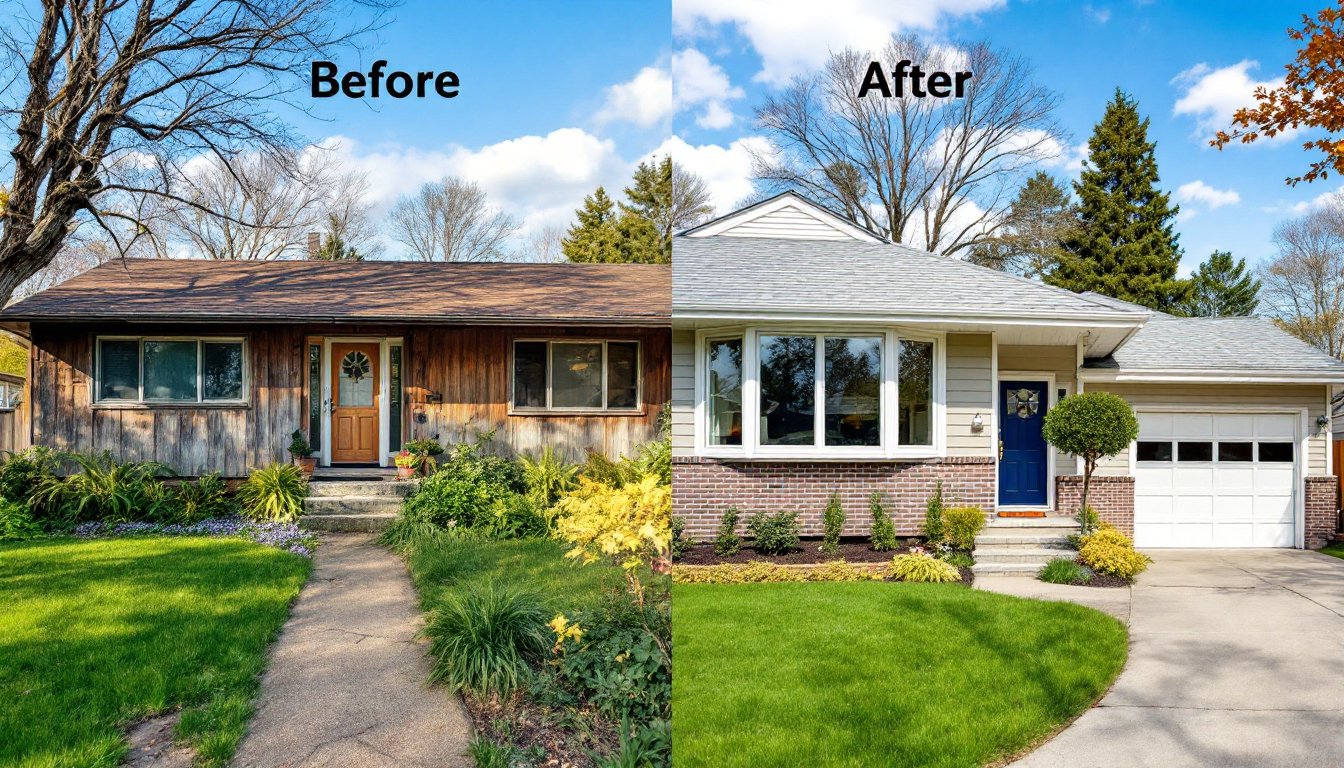

A 1970s split level home sits at a unique crossroads: solid bones, but dated exterior bones. If your split level still sports original cedar siding, a sagging roof, or avocado-hued trim, the outside has likely aged harder than the inside. The good news? A modern exterior remodel isn’t just cosmetic, it boosts curb appeal, improves energy efficiency, and protects the structure underneath. This guide walks through real-world renovations, material choices, and sequencing priorities so that homeowners can tackle updates smartly without overhauling everything at once.
Key Takeaways
- A 70’s split level exterior remodel addresses critical structural wear—rotting siding, failing roofs, and water damage—while dramatically improving curb appeal and energy efficiency.
- Prioritize roof and siding replacement first ($23,000–$55,000 combined), as these protect the home’s structure and deliver the biggest visual impact on a split level renovation.
- Modern energy-efficient windows, updated garage and entry doors, and new exterior trim can be phased in after structural repairs to spread costs over 12–18 months without sacrificing curb appeal.
- Landscaping and hardscaping are the lowest-cost, highest-return upgrades, transforming a dated split level facade with foundation planting, fresh walkways, and outdoor lighting for as little as $2,000.
- Hire licensed contractors for roofing and siding work, verify references and insurance, but tackle finish work and landscaping design yourself to maximize budget efficiency.
Why 70’s Split Levels Need Modern Exterior Updates
Common Exterior Problems in 1970s Split Levels
Split levels built in the 1970s share a predictable set of wear patterns. Wood siding, whether cedar shingles or tongue-and-groove boards, tends to rot, crack, or cup after 40+ years, especially on north-facing elevations. Original roofs, usually 20-year asphalt shingles, are well past their service life: granule loss, curling, and leaks are common. Aluminum windows with single-pane glass and lead-based paint are energy drains. Flat or low-slope roofs over entry vestibules and garages collect water and ice, accelerating deterioration.
The split level’s defining feature, multiple grade levels, creates additional exposure points. Siding transitions, foundation lines, and step-downs all need flashing and drainage planning. Many 70s homes also have minimal soffit ventilation and insufficient gutter sizing, which compounds moisture problems. Upgrading the exterior isn’t optional if the home’s going to last another 30 years: it’s preventive medicine.
Roofing and Siding Overhauls That Make the Biggest Impact
Roofing and siding are the two biggest visual and functional upgrades for a split level. Start with the roof. If the existing roof is past 20 years or showing granule loss and lifted shingles, replacement is overdue. A new architectural asphalt shingle roof (30-year warranty) or, if budget allows, metal roofing or composite shingles will last 40+ years and improve curb appeal instantly. For split levels, plan for proper ventilation: soffit, ridge, and gable vents maintain airflow and extend shingle life. Ensure gutters are sized for the roof pitch and slope (5-inch gutter is typical: 6-inch if the roof area is large). Budget $8,000–$15,000 for roof replacement depending on pitch and material.
Siding replacement is the second priority. Fiber cement boards (like James Hardie) are durable, low-maintenance, and handle moisture well, ideal for split levels prone to wet spots. Engineered wood offers a softer look at lower cost but requires painting every 7–10 years. Vinyl is budget-friendly and maintenance-free but can fade in direct sun. LP SmartSide (strand board composite) splits the difference: durable, paintable, and moderate cost. Remove old siding carefully to inspect sheathing: if water damage exists, replace rotted plywood before installing new material. Plan for house wrap (synthetic moisture barrier) under all new siding. Siding costs range from $15,000–$40,000 depending on square footage and material choice.
Modernizing Your Entry and Garage Doors
Entry and garage doors define the split level’s front face and signal whether the home is cared for. Replace an original wood garage door (likely warped or rusted track) with a modern insulated steel or composite door with tempered glass panels. This single swap transforms the facade and improves insulation (especially important for attached garages). Quality garage doors cost $1,500–$3,500 installed: budget matters less than preventing finger-pinch injuries and smooth operation.
The front entry sets tone. If the original entry has a low, narrow vestibule with a single wood door and single-pane sidelight, consider enlarging the opening slightly (check structural framing first, may need a header) and installing a pre-hung fiberglass entry door with sidelights and transom. Modern entry doors resist warping, maintain a good weather seal, and are available in contemporary colors. Don’t skip a good entry system: a solid door, proper sill pan, and caulking prevent water intrusion below the door frame. Plan $1,200–$2,500 for entry door and hardware. A few split levels benefit from a small covered porch or entry awning, not a full addition, but 4–6 feet of cover that softens the boxy profile while improving function.
Landscaping and Hardscaping Transformations
Landscaping is the lowest-cost, highest-return upgrade. Most 70s split levels have minimal foundation planting, maybe a few foundation shrubs or dead grass beds. Add layered planting beds (a mix of groundcover, shrubs, and small trees) along foundation and walkways: this softens hard angles and directs water away from the house. Replace tired lawn with seed or sod if drainage allows, or transition to low-water xeriscaping with mulch, ornamental grasses, and drought-resistant shrubs.
Hardscaping drives curb appeal. If the original concrete walkway and driveway are cracked and crumbling, replace them with new concrete (budget $3–$8 per square foot) or upgrade to permeable pavers (pricier but better drainage and curb appeal). A simple entry walkway widening (4 feet wide instead of 2) makes the approach feel less cramped. Edging and mulch (refresh every 2–3 years) cost little but signal maintenance. Outdoor lighting, low-voltage LED path lights, uplighting on specimen trees, or soffit lighting, extends visual interest into evening hours and improves safety. Landscaping can range from $2,000 for simple planting to $10,000+ for hardscape and full landscaping design.
Windows, Shutters, and Exterior Trim Updates
Windows are energy and aesthetic anchors. Original single-pane aluminum windows lose heat in winter and gain it in summer: replacing them with vinyl, fiberglass, or aluminum-clad wood double-hung or casement windows is smart. Modern windows feature low-E glass, argon fill, and insulated frames, cutting heating/cooling costs by 10–15%. Cost is $300–$800 per window installed, so prioritize south and west-facing units first if budget is tight.
Exterior trim and soffit updates complete the look. Many 70s split levels have thin aluminum soffit with minimal detailing. Replace with vinyl or composite fascia and soffit or painted wood trim to match the new siding palette. A updated color scheme, moving away from orange, avocado, or dark brown, feels intentional. Consider a bold front-door color (navy, charcoal, or even tasteful black) to anchor the entry: this costs zero dollars in materials but reads as intentional design.
Shutters, if used, should be functional or correctly sized (real shutters are tall and narrow, not stumpy decorative boxes). If the home doesn’t have a strong shutter tradition, skip them: don’t add them for decoration alone. Budget $2,000–$6,000 for window replacement and trim updates across the front elevation.
Bringing It All Together: Budget-Smart Remodel Priorities
A full exterior remodel can exceed $50,000, so homeowners need a sequencing strategy. Phase 1 (critical): Roof and siding repair/replacement if water damage is evident. Structural integrity comes first. Phase 2 (high-return): New garage and entry doors plus updated trim and paint. These affect curb appeal daily. Phase 3 (refinement): Windows, extended landscaping, hardscaping, and lighting. These enhance comfort and value but aren’t urgent.
A typical 70s split level remodel might spread across 12–18 months: roof/siding in months 1–4, doors and trim in months 5–6, windows and landscaping by month 12. This pacing allows budget recovery between phases and lets homeowners live with each change before committing to the next.
Get quotes from roofing and siding contractors, this is not a DIY job. Check references and verify insurance. For doors, windows, and trim, consider a mix: hire for installation but DIY finish work if comfortable. Landscaping is the most DIY-friendly: start with design sketches and materials research before breaking ground.