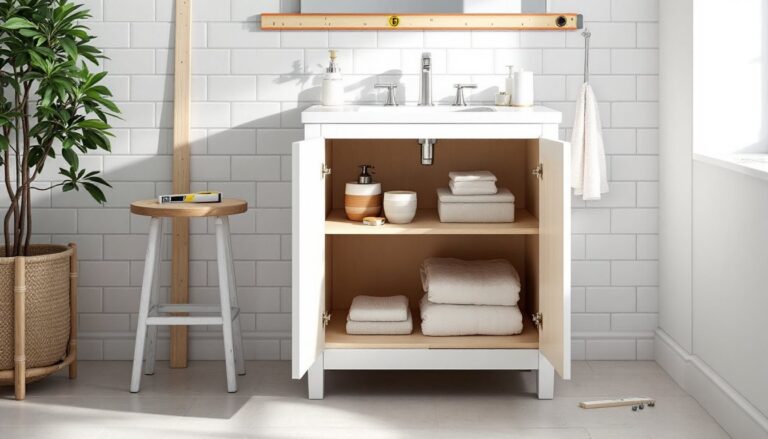
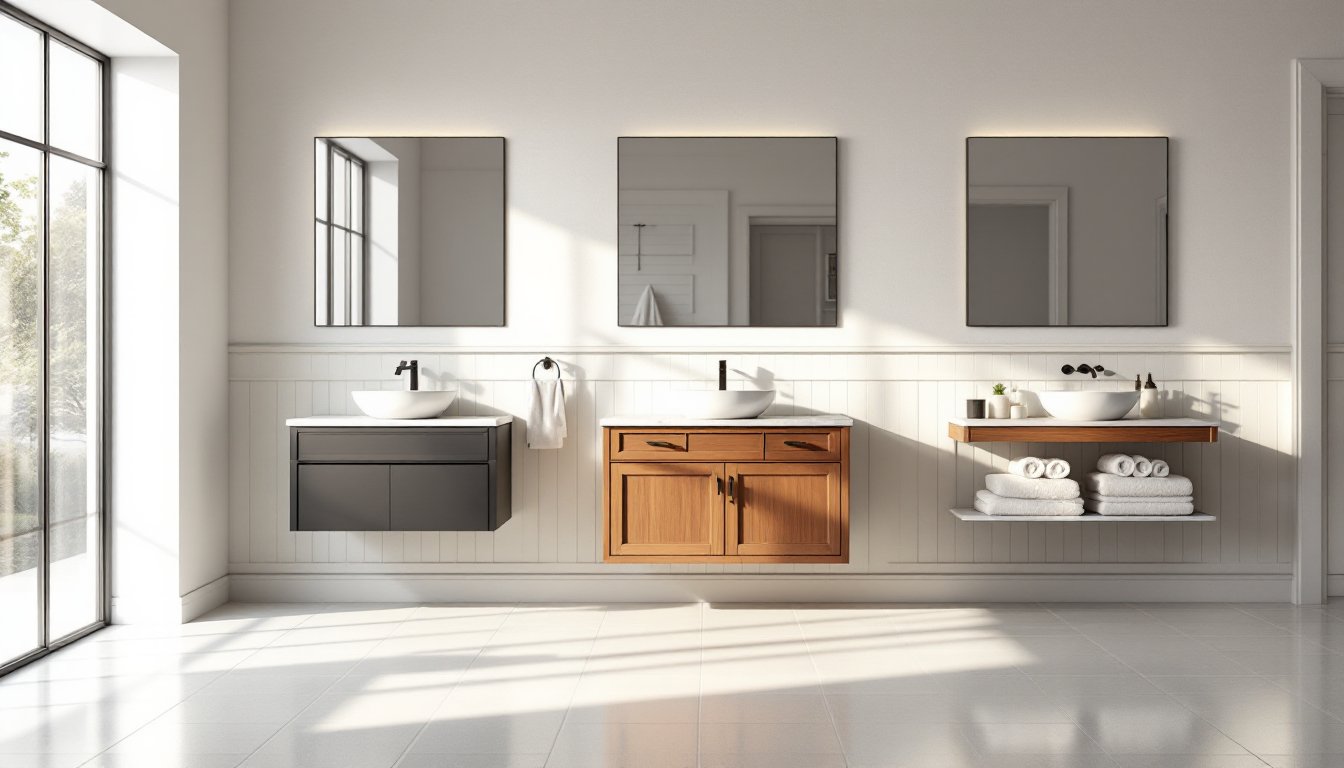

Choosing a bathroom vanity isn’t just about function, it sets the tone for an entire room. Whether a homeowner is remodeling a powder room or gutting a master bath, the vanity style, materials, and configuration matter as much as the plumbing rough-in. From sleek floating designs to farmhouse apothecary-inspired cabinets, bathroom vanity styles have expanded well beyond basic builder-grade boxes. This guide walks through the dominant styles, their practical benefits, and what to expect during installation so a homeowner can make an informed choice that fits both aesthetic and budget.
Key Takeaways
- Bathroom vanity styles range from modern floating designs to traditional furniture-inspired cabinets, each offering distinct aesthetic and functional benefits for different spaces.
- Floating and wall-mounted vanities require solid backing (2×10 or 2×12 blocking) installed at the rough-in stage to prevent sagging, making pre-installation framing verification essential.
- Material quality directly impacts durability: plywood bases with real wood veneer (at least 1/32-inch thick) applied with waterproof glue outperform particleboard and paper veneers in moisture resistance.
- Traditional vanities need 8–12 week lead times for custom orders and require proper exhaust ventilation running 20 minutes after showers to prevent wood swelling from humidity.
- Transitional bathroom vanity styles bridge traditional warmth with modern simplicity, offering flexibility in materials and sink configurations while working across diverse home designs.
- Consider climate, household habits, and maintenance tolerance when selecting countertop materials and finishes, as rushing this decision often leads to regret within two years.
Modern and Contemporary Vanities
Modern bathroom vanities emphasize clean lines, minimal ornamentation, and often feature floating or wall-mounted designs. These units typically sit 12 to 18 inches off the floor, which opens up visual space and simplifies floor cleaning. Common materials include lacquered plywood, high-gloss finishes, and engineered wood veneers that resist moisture when sealed properly.
Contemporary vanities often showcase handle-less cabinet doors operated by push-to-open mechanisms or integrated finger pulls. Vessel sinks, bowls that sit atop the counter, pair well with this style, though undermount and integrated ceramic sinks work equally well. Countertop heights typically run 30 to 36 inches, with deeper vanities (22 inches) accommodating larger mirrors and storage.
One key advantage: modern designs work in smaller bathrooms because they don’t visually dominate. But, wall-mounted units require solid backing behind drywall (usually 2×10 or 2×12 blocking installed at the rough-in stage) to support the weight. A homeowner should confirm wall framing capacity before committing, improper installation risks sagging or loosening over time.
Common finishes include matte black, white, natural wood tones, and concrete-look veneers. Maintenance is straightforward with daily wiping and monthly deep cleaning using pH-neutral products to protect lacquer finishes.
Traditional and Classic Designs
Traditional bathroom vanities draw inspiration from period furniture, often featuring raised panel doors, decorative trim, and freestanding proportions. These cabinets typically stand on legs (4 to 6 inches) or a full base, creating a furniture-like appearance rather than a built-in look.
Materials commonly include solid wood, cherry, oak, maple, or birch, finished in warm stains like espresso, honey, or cherry red. Glass knobs, cup pulls, and wrought-iron hardware complement the aesthetic. Double vanities in this style often span 60 to 72 inches and work well in master bathrooms with generous square footage.
Traditional vanities typically pair with ceramic or porcelain sinks in white, cream, or subtle patterns. Countertops often feature natural stone (marble, granite, or solid surface materials) cut to accommodate undermount sinks. Backsplashes with subway tile or beadboard wainscoting enhance the classic feel.
Note: solid wood vanities require proper ventilation to prevent swelling from humidity. A quality exhaust fan running during and 20 minutes after showers is non-negotiable. Also, traditional vanities take up more floor space, confirm clearance for door swings and toilet placement before ordering. Lead time for custom traditional vanities can stretch 8 to 12 weeks.
Farmhouse and Rustic Options
Farmhouse and rustic vanities lean into reclaimed or distressed wood, open shelving, and vintage-inspired hardware. These styles pair exposed wood grain with elements like shiplap backing, metal hardware, and sometimes a weathered or whitewashed finish.
Materials range from authentic reclaimed barn wood (often expensive and variable in quality) to new wood distressed to mimic age and wear. Popular choices include pine, barn wood finish on engineered plywood, and salvaged architectural elements repurposed as vanity bases. Open shelving below the counter, where baskets or vintage accessories display rolled towels, adds practical storage and charm.
Farmhouse vanities work especially well in cottage-style bathrooms, secondary baths, and powder rooms where personality outweighs sleek minimalism. Sinks are often white ceramic pedestal styles or vintage-inspired porcelain bowls. Copper or brass fixtures with oil-rubbed bronze hardware complement the rustic aesthetic.
Practical consideration: open shelving, while visually appealing, requires intentional styling and more frequent dusting. If a homeowner wants storage without exposure, closed base cabinets with vintage-style doors offer the same look without the maintenance. Distressed finishes are durable but can catch dust in their texture, a soft brush or microfiber cloth prevents grime buildup.
Minimalist and Scandinavian Styles
Minimalist and Scandinavian bathroom vanities strip design down to essentials: pale wood, white, soft grays, and natural light. These styles emphasize functionality without sacrifice, using smart storage, hidden drawers, and integrated organization to maintain a clutter-free aesthetic.
Characteristic materials include light oak, ash, or whitewashed birch paired with white or light gray lacquer finishes. Countertops are typically simple, white subway tile, pale marble, or warm concrete. Hardware is minimal or hidden: push-to-open mechanisms and simple bar pulls in brushed nickel or stainless steel are common.
These vanities often feature medium depths (18 to 20 inches) and heights around 32 to 36 inches. Wall-mounted designs free floor space and reinforce the light, airy feel. Mirrors are often large, unframed, or set in simple frames, reflecting light throughout the space.
Scandinavian-inspired bathrooms benefit from natural ventilation and soft, diffused lighting. Avoid ornate fixtures: opt for clean-lined faucets in chrome or matte finishes. The overall effect is calming and modern without feeling cold. Note: this style requires honest material selection, quality plywood and real wood veneers (not veneer-over particleboard) hold up better and maintain their appeal over time.
Transitional Vanities
Transitional vanities blend traditional warmth with modern simplicity, solid wood construction and classic proportions paired with clean lines and understated hardware. These designs bridge the gap between farmhouse charm and contemporary function, working in homes styled across decades.
Common configurations include full-base cabinets (no open legs) in neutral stain colors, warm gray, greige, or soft taupe. Cabinet doors are simple, typically flat or subtly raised-panel styles. Hardware is understated: cup pulls, simple bar handles, or cup pulls in brushed brass or brushed nickel.
Transitional vanities typically accommodate single or double sinks with flexibility in countertop materials. Marble, quartz, or solid surface tops work equally well. This style tolerates both undermount and vessel sinks, allowing personalization within a cohesive framework.
Materials and Finishes That Matter
Regardless of style, vanity durability hinges on material quality. Plywood bases (birch, oak, or melamine) are more moisture-resistant than particleboard. Real wood veneer over plywood is preferable to paper veneers: veneers should be at least 1/32-inch thick and applied with waterproof glue. Paint-grade vs. stain-grade wood affects finish options, paint hides grain and imperfections, while stain-grade wood must be higher quality.
Countertop materials each bring trade-offs: marble is beautiful but stains easily: granite is durable but expensive: quartz is non-porous and low-maintenance: solid surface allows repairs. Backsplash material and sealing protect walls from water damage, not cosmetic filler.
Finish protection matters too. Lacquer vanities need regular care: polyurethane is more forgiving. Light colors show water spots and dust: darker tones hide mineral deposits but require streak-free cleaning. Consider climate, humidity, and household habits when selecting materials, rushing this step often leads to regret within two years.
Conclusion
Selecting a bathroom vanity style anchors the entire room’s design while balancing practical needs: storage, counter space, plumbing rough-in alignment, and long-term durability. Modern, traditional, farmhouse, minimalist, and transitional styles each offer distinct advantages, and each requires thoughtful material selection and installation planning. Before committing, measure twice, confirm wall framing capacity for floating units, and verify that plumbing and electrical placements align with the vanity layout. A well-chosen vanity pays dividends in both aesthetics and function for years to come.